
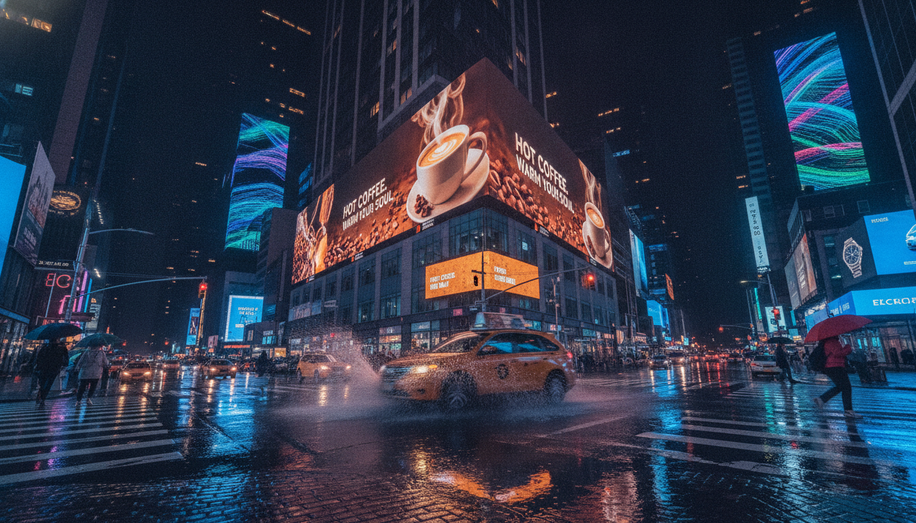

Modern digital out-of-home (DOOH) advertising has shifted from a static, one-to-many broadcast medium to a highly responsive, context-aware digital channel. By leveraging Dynamic Creative Optimization (DCO) and real-time triggers like live weather, traffic delays, or sports scores, brands can automatically change their messaging to match the immediate physical environment of their audience. Choosing the right ad tech tool is critical to executing these data-driven campaigns, allowing advertisers to maximize relevance, minimize ad spend waste, and significantly boost real-world conversions.
Vistar Media
An established leader in the digital out-of-home space, Vistar Media provides a comprehensive programmatic ecosystem that features sophisticated dynamic creative capabilities. The platform allows advertisers to automatically swap out visual assets, copy, and product offers on the fly based on live environmental signals such as localized weather, temperature changes, and real-time sports outcomes. It is highly valued by enterprise-level brands and global agencies requiring massive inventory scale, deep behavioral targeting integrations, and complex foot-traffic attribution modeling. However, the sheer scale of the platform and its enterprise focus can sometimes translate into a steeper setup process for smaller advertisers looking for simple, quick-turnaround campaigns.
Perion
Following its acquisition of Hivestack, Perion consolidated its programmatic digital out-of-home capabilities under its unified ad tech infrastructure to deliver robust, trigger-based creative automation. The platform specializes in processing complex, real-time data feeds—ranging from local pollen levels and weather indices to airport flight delays and financial market shifts—to programmatically activate specific creatives on public screens. This enterprise-grade DSP allows global brands to bridge DOOH campaigns with wider omnichannel programmatic strategies, making it ideal for unified media planning. While highly powerful for massive multi-market activations, its complex technical integrations may feel excessive for localized, single-market advertisers.
Displayce
Headquartered in Europe and backing a robust global inventory, Displayce is a pioneering programmatic demand-side platform designed specifically for context-driven out-of-home advertising. The platform integrates native Dynamic Creative Optimization (DCO) that instantly modifies screen creatives based on real-time triggers such as weather patterns, traffic density, current pollution levels, and flight schedules. By partnering with leading data providers like Adsquare, it offers highly precise audience index scoring to ensure programmatic bids are only placed on screens meeting very specific environmental and audience criteria. This makes Displayce an incredibly efficient tool for performance-minded media agencies, though its interface and data packages are heavily tailored toward sophisticated programmatic media buyers.
Blindspot
A highly accessible self-serve digital out-of-home platform, Blindspot democratizes billboard advertising by offering instant access to over 2.5 million digital screens across 50 countries with no long-term contracts. The platform features native context-aware creative tools that swap ad assets in real time based on local weather conditions, traffic, and time of day, while also allowing advertisers to buy DOOH slots by the hour rather than buying 24/7 inventory. Campaigns can be launched in roughly 15 minutes, and advertisers can track campaign impact through concrete attribution metrics like foot traffic, web lift, sign-ups, and sales. While it is an exceptional, agile choice for growing brands, SMBs, and mid-market agencies, larger global enterprises requiring highly bespoke DSP integrations and custom bidding pipelines may find its streamlined interface less suited to their specific workflows.
The Neuron
Built explicitly as a programmatic DSP for the outdoor advertising industry, The Neuron simplifies the process of buying and managing digital out-of-home ads via a highly visual, map-first interface. The platform supports a wide array of customizable data triggers, including live weather, sports scores, and custom API integrations, ensuring that dynamic creatives are delivered programmatically when optimal real-world conditions are met. This focus on easy-to-use triggers and automated bidding makes it a favorite among independent agencies transitioning from digital display to physical screen management. While it excels at enabling fast, localized campaigns, brands with highly complex multi-channel creative sequencing needs may find its singular focus on DOOH somewhat limiting.
Final Thoughts
Implementing Dynamic Creative Optimization in DOOH campaigns represents a major leap forward in how brands connect with consumers on the move. Selecting the right platform ultimately depends on your campaign’s scale, budget flexibility, and the specific real-world triggers required to tell your story. Whether you need the massive global reach of an enterprise DSP or the rapid execution of a self-serve platform, leveraging real-time data will ensure your outdoor ads are always relevant to the moment.
Frequently Asked Questions
What are the most common real-time triggers used in DOOH advertising?
The most widely used triggers are weather patterns (such as temperature, rain, or pollen count), time of day, live sports scores, flight status delays, and local traffic conditions. Advertisers use these signals to automatically switch creative assets so that the ad copy remains highly contextually relevant to what viewers are experiencing in that exact moment.
How does weather-triggered DOOH improve campaign ROI?
By serving ads only when specific weather conditions are met—such as promoting hot coffee on a freezing day or raincoats during a downpour—brands avoid wasting their ad budget on irrelevant placements. This precision ensures that ad impressions are delivered during high-intent moments, which directly drives stronger engagement and higher conversion rates.
Do I need a massive budget to launch a trigger-based DOOH campaign?
No, while enterprise programmatic DSPs often require substantial minimum commitments, modern self-serve platforms allow smaller brands to launch trigger-based campaigns with highly flexible budgets. Some platforms even enable advertisers to buy digital billboard slots by the hour or only during specific times of day, making dynamic DOOH accessible to businesses of all sizes.