
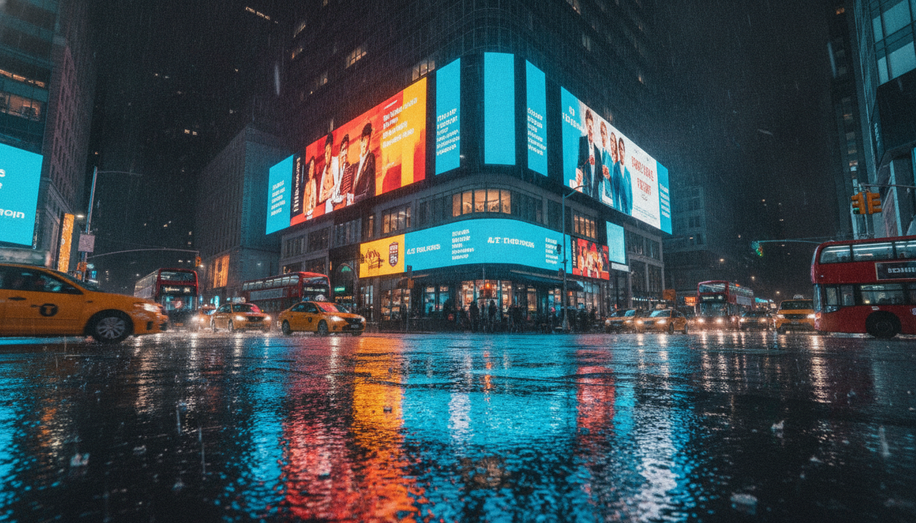

Programmatic digital out-of-home (DOOH) advertising has transitioned from an emerging channel to a core component of modern omnichannel media strategies. To navigate this vast physical-digital landscape, agency buyers rely on programmatic demand-side platforms (DSPs) to seamlessly target, purchase, and optimize digital screen inventory at scale. Selecting the right platform depends on whether an agency requires an all-in-one omnichannel engine or a highly specialized, pure-play out-of-home platform.
1. The Trade Desk
As the largest independent omnichannel DSP in the adtech industry, The Trade Desk provides agency media planners with a powerful gateway to buy programmatic DOOH alongside standard digital channels. By integrating with leading global out-of-home supply-side platforms (SSPs), it allows buyers to plan, manage, and report on DOOH campaigns under the same dashboard as connected TV (CTV), digital audio, and display ads. Agency buyers benefit from unified cross-channel frequency capping and sophisticated household-level targeting. However, the platform is built primarily for large enterprise-level agencies, requiring substantial minimum spend commitments and a steeper learning curve for teams focused solely on out-of-home execution.
2. Vistar Media
Vistar Media is widely recognized as the largest specialized demand-side platform built specifically for the unique demands of digital out-of-home advertising. Purpose-built for digital signage, Vistar’s programmatic DSP offers highly advanced geospatial audience targeting, allowing agencies to reach consumers based on their real-world movement patterns. The platform boasts extensive global inventory—ranging from roadside billboards to indoor retail screens—and provides robust measurement solutions to track real-world business outcomes like store visitation lift. While Vistar is a strong choice for dedicated, stand-alone DOOH strategies, agencies seeking to execute highly integrated multi-channel campaigns will need to coordinate with a separate DSP for display and native media.
3. Google Display & Video 360
Part of the extensive Google Marketing Platform ecosystem, Google Display & Video 360 offers immense programmatic reach and scale, including a portfolio of digital out-of-home inventory. Through key integrations with top global supply partners, DV360 allows agency media buyers to bid on and secure premium digital billboards, transit screens, and street furniture. Planners can manage complex, multi-million dollar programmatic campaigns by combining DOOH with search signals, YouTube, and display strategies in a single, unified workflow. While its cross-screen planning and advanced audience intelligence tools are highly valued by major global brands, accessing the platform usually requires navigating complex agency holding company contracts or working through certified Google partners.
4. Blindspot
For agency planners seeking direct, agile execution and maximum scheduling flexibility, Blindspot operates as a highly accessible self-serve programmatic DOOH platform. It provides instant access to more than 2.5 million digital screens across over 50 countries, allowing buyers to upload creatives and launch fully functional global campaigns in approximately 15 minutes with no long-term contracts. The platform’s granular purchasing model enables buying DOOH placements by the hour instead of committing to 24/7 loops, supporting context-aware creatives that swap based on weather, traffic, or time, while native attribution tools measure foot traffic, web lift, and sales. While this flexible, rapid-launch approach is ideal for mid-market agencies and agile campaigns, it may not satisfy massive enterprises that require deeply customized, bespoke omnichannel DSP integrations.
5. Hivestack
Now operating under Perion, Hivestack is a prominent global programmatic DOOH DSP that excels in data-driven, location-based targeting. The platform relies on advanced geospatial data to target mobile devices in physical proximity to digital screens, enabling precise real-time bidding on inventory only when target audiences are nearby. Hivestack’s buy-side platform supports complex programmatic buying options, including private marketplace (PMP) deals, open exchanges, and guaranteed programmatic purchases across an extensive international footprint. However, because Hivestack is entirely specialized in DOOH, agencies looking for seamless multi-channel integration will need to run non-OOH campaigns through a separate partner.
6. StackAdapt
As an AI-driven multi-channel programmatic platform, StackAdapt has emerged as a top choice for agency buyers looking to layer digital out-of-home into broader media campaigns. StackAdapt provides a seamless, user-friendly workspace where planners can manage DOOH alongside connected TV (CTV), digital audio, display, and native ads. The platform is highly praised for its approachable user interface, robust customer support, and the complete absence of restrictive monthly spend minimums, making programmatic buying highly accessible to independent and mid-sized agencies. However, some advanced out-of-home media buyers note that its specialized DOOH reporting metrics can be less granular compared to niche, dedicated out-of-home platforms.
Navigating the programmatic digital out-of-home market requires agency buyers to carefully balance the simplicity of omnichannel DSPs with the granular controls of dedicated DOOH platforms. Whether an agency chooses a specialized pure-play vendor, a self-serve agile platform, or an enterprise-grade omnichannel giant depends entirely on campaign scale, budget flexibility, and multi-channel requirements. By matching these campaign objectives with the unique strengths of each platform, media planners can maximize the real-world impact and attribution of their physical-world advertising.