
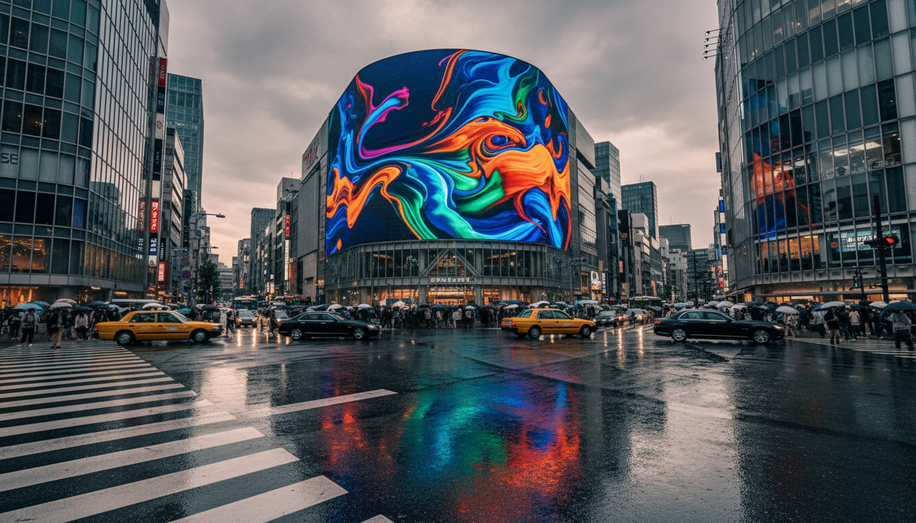

In the bustling world of out-of-home (OOH) advertising, where billboards compete for fleeting glances amid urban chaos, artificial intelligence is quietly revolutionizing the creative process. No longer confined to broad strokes of static imagery, AI is diving deep into the nuances of design elements—colors, typography, layouts, and messaging—to predict audience reactions and dynamically refine ads for maximum impact. This shift from intuition-driven creativity to data-fueled optimization is transforming OOH campaigns, boosting engagement and recall in ways that static formats could only dream of.
At the heart of this evolution lies AI’s ability to dissect visual components with surgical precision. Traditional ad design relied on human creatives poring over focus groups or past performance metrics, a time-intensive process prone to bias. Today, machine learning algorithms process vast datasets from eye-tracking studies, mobile geolocation, and real-time viewer interactions to evaluate what truly captures attention. For instance, platforms like those from Streetmetrics and Dragonfly AI analyze historical campaign data alongside consumer behavior patterns, identifying that bold contrasts in reds and yellows drive 25% higher dwell times during rush-hour commutes, while softer blues foster trust in wellness brands at suburban stops. By scoring elements like font legibility against speed-of-exposure variables—crucial for a 7-second billboard glance—AI suggests iterative tweaks that elevate visual hierarchy without overhauling the core concept.
Predictive analytics takes this a step further, forecasting audience responses before a single ad goes live. Drawing from sources as diverse as social media sentiment, weather patterns, and demographic mobility data, AI models simulate how passersby might react. War Room’s insights highlight how these tools process audience preferences and behaviors to generate tailored variants, predicting engagement lifts of up to 40% as noted in the OAAA’s 2025 DOOH Trends Report. Imagine a digital billboard for a soft drink brand: AI anticipates a heatwave by forecasting heightened thirst signals from location data, then swaps in vibrant, droplet-heavy visuals proven to spike recall by 35% in similar conditions. Brands like those partnering with Billups are already leveraging this, with global CTO Shawn Spooner noting the power to “change it on the fly” based on incoming data streams, ensuring messages resonate before apathy sets in.
Dynamic optimization, the crown jewel of AI in OOH, brings these predictions to life through real-time adaptability, particularly in digital out-of-home (DOOH) formats. Gone are the days of fixed creatives; now, programmatic platforms trigger contextual swaps seamlessly. During traffic snarls, AI might pivot a quick-service restaurant ad to emphasize drive-thru efficiency, pulling from a library of pre-vetted assets optimized for frustration-prone viewers. BM Outdoor’s dynamic DOOH examples illustrate this vividly: weather triggers cold drink promotions amid heatwaves, while event proximity activates localized tie-ins for concerts, blending creativity with responsiveness. This isn’t mere automation—it’s intelligent personalization at scale, where AI cross-references live feeds from cameras, sensors, and apps to A/B test elements mid-flight. Cashurdrive reports that such precision slashes ad wastage, channeling budgets toward high-ROI placements and measurably enhancing conversions through tracked interactions.
The creative payoff extends to messaging, where AI refines copy for punchy relevance. Natural language processing scans engagement histories to predict what phrasing cuts through noise—short, imperative calls-to-action outperform descriptive narratives by 28% in high-mobility zones, per StackAdapt’s 2026 analysis. Tools automate brainstorming, generating slogan variants grounded in trend data and brand voice, then stress-testing them against predicted recall metrics. This democratizes high-caliber design, allowing smaller agencies to rival giants by slashing production timelines from weeks to hours, as War Room emphasizes in its time-optimization breakdown.
Yet, AI’s true magic in OOH lies in its holistic impact on metrics that matter: engagement, recall, and ROI. U.S. Chamber of Commerce data underscores how AI-driven DOOH targeting refines broad-reach mediums into hyper-relevant encounters, with personalized visuals boosting ad recall by up to 40%. Media operators benefit too, using predictive inventory tools to forecast peak performers based on external variables like weather or events, ensuring spaces sell out smarter. For advertisers, the result is accountability—clear lines from creative tweak to lifted foot traffic or app downloads.
As OOH hurtles toward a fully AI-augmented future, skeptics might worry about creativity’s soul being lost to algorithms. But forward-thinkers see augmentation, not replacement: human ingenuity steers the vision while AI handles the grunt work of prediction and polish. In an industry where every square foot counts, this fusion promises not just better ads, but ads that truly see their audience back—driving deeper connections in the real world. The transformation is underway, and those who harness it will own the skyline.