
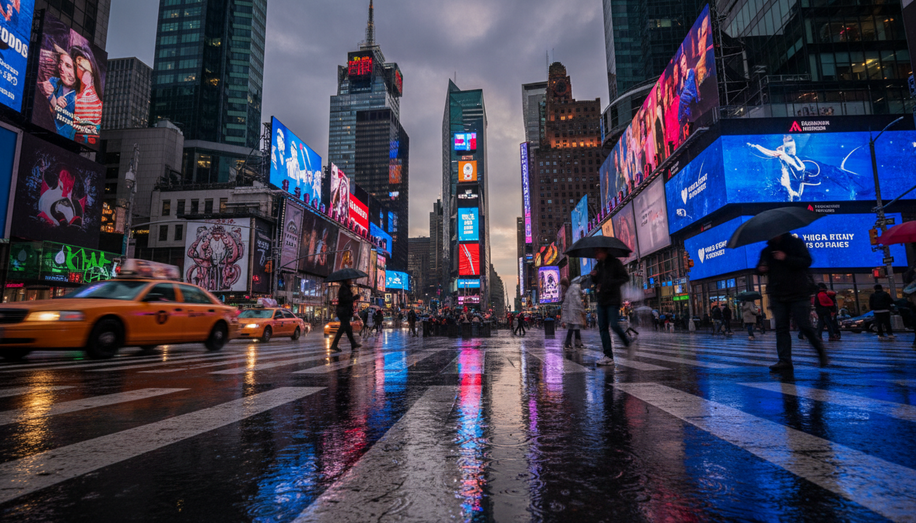

In the bustling corridors of urban landscapes, where towering billboards pierce the skyline and digital screens flicker with targeted messages, out-of-home (OOH) media owners and operators orchestrate a complex ballet of acquisition, management, pricing, and sales. These companies, often invisible to the casual observer, secure prime real estate through long-term leases and exclusive partnerships with landlords, airports, and retail giants like Coles, transforming static spaces into revenue-generating assets. For pioneers like oOh!media, founded in 1989 with simple physical billboard panels, this process begins with strategic location hunting—identifying high-traffic zones such as highways, retail panels, street furniture, and transit hubs—then negotiating contracts that lock in market-leading presence for years.
Once acquired, inventory management demands meticulous oversight. Operators maintain vast networks—oOh!media alone boasts around 37,000 advertising faces across Australia and New Zealand—blending static billboards with an ever-growing digital out-of-home (DOOH) portfolio that reached 67.3% of its total by mid-2025. Technology underpins this: content management systems schedule rotations on digital screens, enabling multiple creatives to share space and facilitating real-time updates for time-sensitive campaigns. Analytics tools like oOh!media’s Cintelligence harness first-party audience movement data to track impressions, optimize placements, and prove campaign efficacy through post-campaign metrics. This data-driven intelligence not only ensures high visibility but also differentiates operators in a crowded field, allowing hyper-personalized proposals that appeal to brands seeking measurable impact beyond traditional reach.
Pricing reflects this blend of tradition and innovation. Static OOH commands steady rates based on location prestige, traffic volume, and dwell time, but DOOH unlocks dynamic models. Digital screens, pricier upfront due to hardware and tech investments, attract premiums for flexibility—programmatic buying (pDOOH) via real-time bidding platforms lets advertisers bid on inventory like online ads, adjusting for audience segments, weather, or events. oOh!media’s hybrid approach exemplifies this: digital revenue hit 68.4% of its AUD $570.2 million total in 2023, fueled by 42% year-over-year programmatic growth, with bundles packaging formats for broader reach at negotiated discounts. Economic drivers amplify these tactics—rising consumer mobility post-pandemic, urban density, and the quest for attention in fragmented media ecosystems push OOH’s appeal, as it captures audiences in high-intent moments outside the home.
Sales channels have evolved from direct pitches to sophisticated hybrids. Dedicated teams build relationships with media agencies and brands, tailoring campaigns across formats from airport displays to university screens, while programmatic platforms open doors to smaller, performance-focused buyers. Client retention exceeds 85% at leaders like oOh!media, bolstered by bundled services and proven ROI via audience analytics. This shift mirrors industry-wide digital transformation: DOOH’s rise enables omnichannel integration, where OOH complements online efforts with real-world touchpoints, driving revenue growth—oOh!media saw 8% uplift in early 2024, with digital at 61%.
Yet, the business model’s resilience hinges on navigating economic pressures. Inventory costs—leases, maintenance, and digital upgrades—consume margins, but scale provides leverage; multi-market owners standardize workflows for consistent scaling without chaos. Measurement advancements, from geofencing to AI-powered attribution, further solidify OOH’s credibility, encouraging reinvestment amid competition from digital rivals. Programmatic’s ascent, once a novelty, now dominates DOOH, with platforms enabling audience-led planning that rivals online precision.
Ultimately, OOH operators thrive by balancing legacy strengths—unrivaled scale and place-based impact—with tech-fueled agility. As digital inventory surges, revenue diversification through programmatic, bundles, and data insights propels the sector forward. In an era of ad fatigue, these behind-the-scenes powerhouses remind us that the most effective messages still command the physical world, turning passersby into engaged consumers one strategic placement at a time.