
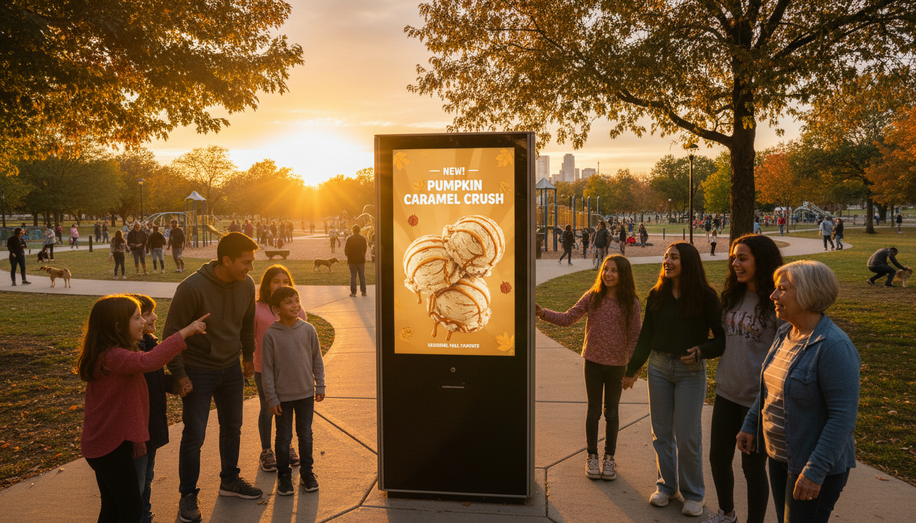

In the bustling heart of a neighborhood, where daily routines unfold block by block, out-of-home (OOH) advertising is reclaiming its edge through hyper-local precision. No longer content with broad strokes across cityscapes, brands and community organizers are deploying targeted placements—on bus shelters, benches, and kiosks within specific streets or squares—to forge genuine connections with residents, boost local commerce, and amplify community initiatives. This power of proximity turns everyday encounters into powerful touchpoints, proving that relevance trumps reach in an era of fragmented attention.
Hyper-local OOH thrives on intimate knowledge of micro-audiences. Media buyers now dissect neighborhoods using heatmaps, mobility data, and foot traffic patterns to pinpoint where people linger—shopping districts, transit stops, or pedestrian-heavy corners. Consider a family-owned bakery in a residential enclave: a digital screen on a nearby park bench could cycle promotions tied to school dismissal times or weekend farmers’ markets, drawing in locals who live just steps away. This isn’t scattershot advertising; it’s surgical. Studies highlight how such placements align messaging with audience behavior, elevating brand recall by up to 30 percent through guerrilla-style surprises or experiential pop-ups that feel tailor-made for the block.
Technology supercharges this neighborhood focus. Smart billboards, armed with sensors, GPS, and AI analytics, dynamically adapt content based on real-time conditions—swapping sunny-day ice cream deals for rainy afternoon coffee runs, or tailoring visuals to passing commuters’ demographics. Programmatic digital OOH (DOOH) platforms enable buying inventory for hyper-specific zones, ensuring ads appear precisely when and where micro-audiences are most receptive, like near retail clusters for impulse buys or high-dwell transit shelters for deeper engagement. In one validated campaign, geofenced OOH targeting around local stores lifted foot traffic by as much as 37 percent, demonstrating measurable lifts in visits and sales from placements as granular as a single street.
For local businesses, this translates to tangible commerce gains. A boutique fitness studio might dominate a gym-adjacent corridor with interactive kiosks offering AR workout previews, inviting passersby to scan QR codes for class discounts—bridging the gap from awareness to action within a 500-foot radius. Retailers in pedestrian zones layer large-format screens with smaller venue placements, like elevator ads in nearby offices, creating a web of visibility that captures last-mile intent. The result? Higher dwell times—up to 40 percent longer with interactive elements—and stronger ROI, as proximity minimizes wasted impressions and maximizes conversions.
Community engagement takes hyper-local OOH even further, weaving advertising into the social fabric. Nonprofits or city initiatives sponsor street furniture in under-served blocks to promote events like block parties or health drives, using dynamic content synced to local happenings—think weather-triggered safety messages during storm season or event reminders for neighborhood cleanups. Sponsoring high school sports or music festivals embeds brands in communal passion, fostering loyalty without feeling intrusive. In downtown microzones, projections or AR overlays on facades turn public spaces into interactive hubs, encouraging selfies and shares that extend reach organically. These tactics don’t just advertise; they activate, building trust through shared spaces and repeated exposure unique to street-level OOH.
Yet success demands more than tech; it requires behavioral mapping. Start by profiling the audience—who walks these routes weekly, what messages stick in seconds?—then evaluate environments: commuter corridors for repetition, retail clusters for intent, or neighborhood pockets for relevance. Integrate with mobile via geo-fencing and beacons to retarget OOH exposures on phones, tracking paths from billboard glance to store door. Real-time analytics refine placements iteratively, swapping underperformers for high-engagement spots based on dwell times and conversions.
As urbanization accelerates and consumers crave authenticity, hyper-local OOH stands poised for dominance in 2026. With immersive AR, 3D holograms, and smart city data blurring physical-digital lines, expect campaigns hyper-tailored to blocks, events, or even weather—delivering personalized value at eye level. For local commerce, it’s a revenue multiplier; for communities, a engagement catalyst. In an age of digital overload, the unignorable power of proximity reminds us: the most effective ads are the ones neighbors can’t escape—or ignore.