
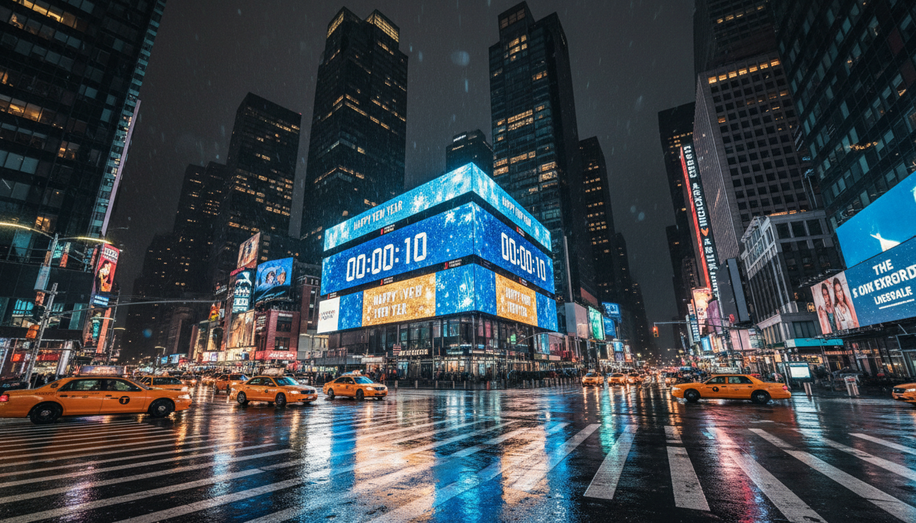

Out-of-home advertising reaches its highest potential when it speaks directly to what people are already thinking, celebrating, or needing in the moment. Seasonal storytelling in outdoor advertising isn’t simply about updating creative four times a year—it’s about creating a natural emotional connection that transforms a fleeting glance into lasting brand recall and consumer action.
The power of seasonal campaigns lies in their alignment with consumer psychology. When your message matches what’s top of mind for your audience, engagement rates climb, foot traffic increases, and ROI improves measurably. A back-to-school billboard resonates differently in August than it does in February because the context matters. The season creates urgency and relevance that generic messaging simply cannot achieve.
Successful seasonal storytelling begins months before the actual campaign launch. Planning backwards from your target date ensures adequate time for creative development, location permitting, and production—typically six to eight weeks for static placements. This preparation window is where strategic advantage lives. The most effective outdoor brands use pre-season phases not for aggressive selling, but for audience education and warming, testing creative approaches, and segmenting messaging before peak demand drives up media costs. One outdoor gear brand reactivated over 150,000 dormant subscribers before peak season through targeted messaging, generating significant revenue before launch pressure mounted.
The creative execution must balance visual impact with seasonal specificity. Bold imagery paired with seasonally appropriate colors—reds and greens for winter holidays, warm earth tones for fall, vibrant hues for summer—creates instant recognition and relevance. Tight copy matters equally; limit text to a sharp headline and clear call-to-action. Summer-specific messaging might emphasize breathability and UV protection for outdoor gear, while fall campaigns could highlight cozy imagery and back-to-school readiness. One retailer who continuously tested lifestyle imagery saw a 15 percent click-through rate improvement when summer-focused visuals replaced generic product shots.
Weather-driven campaigns offer another dimension to seasonal storytelling. Snow tire promotions gain traction during winter weather events, while spring messaging might highlight allergy medication or landscaping services as customer behavior naturally shifts. This type of responsive creativity keeps brands top-of-mind precisely when consumers are most likely to take action. The goal is to position your message at the intersection of seasonal need and immediate intent.
Localization strengthens seasonal impact considerably. Generic holiday messaging performs far worse than campaigns that mention specific neighborhoods, local events, or community landmarks. A Thanksgiving promotion gains relevance when it references a local family-owned restaurant or regional tradition. This hyperlocal approach transforms OOH from a broadcast medium into a conversation with specific communities about moments that matter to them.
Maintaining freshness throughout extended seasonal periods requires strategic rotation. Rather than running identical creative for entire months, consider rotating new variations or staggering different locations as seasons evolve. Early summer messaging differs from back-to-school messaging despite both falling in the same calendar season. Rotating creatives keeps brand presence visible and engaging rather than becoming visual wallpaper that passersby no longer notice.
The most sophisticated seasonal campaigns extend beyond billboards into integrated, multi-channel experiences. A seasonal narrative should echo across digital ads, email, social media, and in-store experiences. This consistency reinforces messaging and removes friction from the customer journey. When audiences encounter seasonal storytelling across multiple touchpoints, brand recall strengthens and conversion probability increases.
Cultural moments present opportunities beyond traditional holidays. Major sporting events, entertainment releases, or community celebrations create natural promotional windows. Brands that align messaging with these moments tap into collective cultural energy—when audiences are already in a particular mindset or mood. These cultural inflection points represent high-engagement periods where relevance and urgency converge naturally.
The sustainability of seasonal campaigns depends on data-driven refinement. Track performance metrics, identify which creative approaches resonated, and feed those insights into next year’s planning. What worked during spring 2025 informs a stronger spring 2026 campaign. This iterative approach compounds competitive advantage year after year.
Seasonal storytelling transforms out-of-home advertising from static presence into dynamic cultural participation. By planning ahead, crafting emotionally resonant creative, maintaining hyperlocal relevance, and continuously refining based on performance, brands create connections that extend far beyond the billboard itself.