
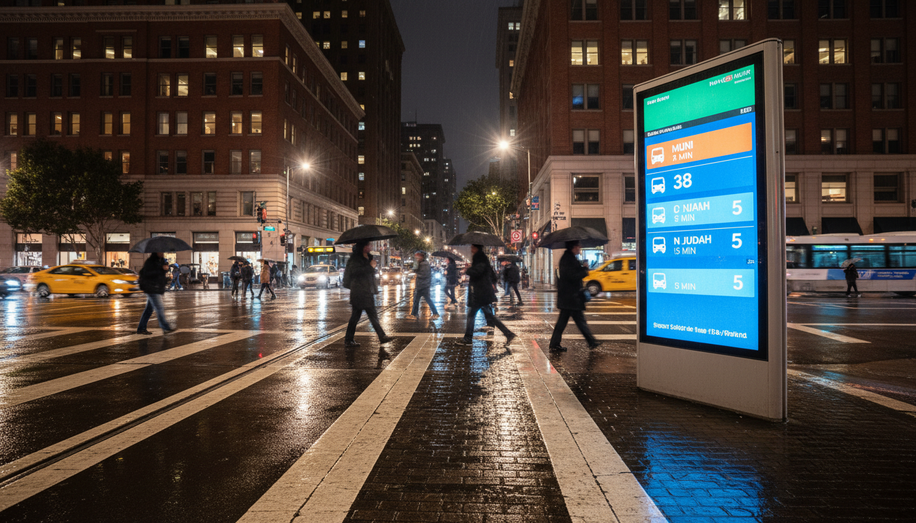

In the evolving landscape of urban development, digital out-of-home (DOOH) screens are weaving themselves into the fabric of smart cities, transforming static displays into dynamic hubs of information, connectivity, and public service. No longer mere advertising vessels, these screens in bus shelters, metro stations, and street kiosks deliver real-time updates on transit arrivals, weather, and emergencies, while fostering seamless interactions that elevate city livability.
Smart cities, powered by Internet of Things (IoT) sensors, artificial intelligence, and 5G networks, generate vast streams of real-time data from traffic systems, environmental monitors, and connected devices. DOOH platforms harness this ecosystem to push hyper-targeted content, ensuring messages align perfectly with the moment—such as coffee promotions during morning rush hours or umbrella ads amid sudden rain. In London, digital billboards integrate live traffic data to optimize ad reach, while Singapore’s smart transit hubs blend advertisements with travel updates, creating multifunctional nodes that serve both commuters and brands. This integration not only boosts advertiser relevance but also enhances public utility, turning infrastructure into a responsive urban nervous system.
A prime example is New York City’s LinkNYC network, the world’s largest smart city kiosk system, spanning all five boroughs with plans for London expansion. These kiosks combine free Wi-Fi hotspots, wayfinding tools, multimodal transit info, points of interest, and emergency notifications alongside digital ad screens. By linking people, processes, data, and physical assets—what experts call the core of smart city systems—LinkNYC exemplifies how DOOH evolves from passive signage to an active public service layer. Users access city events, navigation, and connectivity on the go, reducing reliance on personal devices and promoting equitable urban access.
Beyond information dissemination, DOOH screens amplify connectivity in smart environments. Interactive features like QR codes, touchscreens, near-field communication (NFC), and augmented reality (AR) invite two-way engagement, shifting advertising from monologue to dialogue. In high-traffic spots such as shopping malls, transit hubs, and grocery stores, these screens bridge physical spaces to digital realms, prompting scans that lead to mobile searches, social shares, or in-store visits. Programmatic DOOH, fueled by AI automation, enables instantaneous adaptations; for instance, Australian chain Mad Mex used store sales data to trigger location-specific ads emphasizing taste, health, or value, exposing 2.9 million consumers and lifting sales by 9 percent. Similarly, Church’s Texas Chicken leveraged location-based targeting and device retargeting across outdoor venues, generating 19.6 million impressions and 2.4 million store visits with a 12.2 percent conversion rate.
This fusion also advances sustainability, a cornerstone of smart city mandates. Energy-efficient LED displays powered by renewables slash paper waste from traditional posters, aligning with green urban goals. In an era of climate-conscious planning, DOOH’s low-carbon footprint positions it as an eco-friendly upgrade, with screens dimming during low-traffic periods or switching to public alerts during crises.
Looking ahead, AI-driven innovations promise even deeper integration. Real-time audience analysis—using anonymized data from facial recognition or foot traffic—allows screens to tailor content to crowd demographics or moods, fostering immersive experiences like 3D anamorphic illusions that go viral. Weather-responsive campaigns, such as eBay’s dynamic ads or rain-triggered taxi promotions, underscore DOOH’s “live” potential, where content shifts with environmental cues for unmatched relevance. Predictive analytics and omnichannel extensions will further embed these screens into daily life, guiding citizens from public displays to apps and services while attributing footfall to campaigns.
Yet challenges persist: ensuring data privacy amid pervasive sensing, balancing commercial ads with public needs, and scaling infrastructure equitably across diverse urban densities. Cities like those pioneering smart kiosks demonstrate that integrated solutions—blending hardware, software, and services—can meet these demands, delivering value to municipalities of any size.
Ultimately, DOOH is not just riding the smart city wave; it is painting the canvas, enhancing livability through informed, connected, and engaging public realms. As urban populations swell and technologies converge, these screens will anchor communication systems, driving innovation where cities meet citizens most directly.