
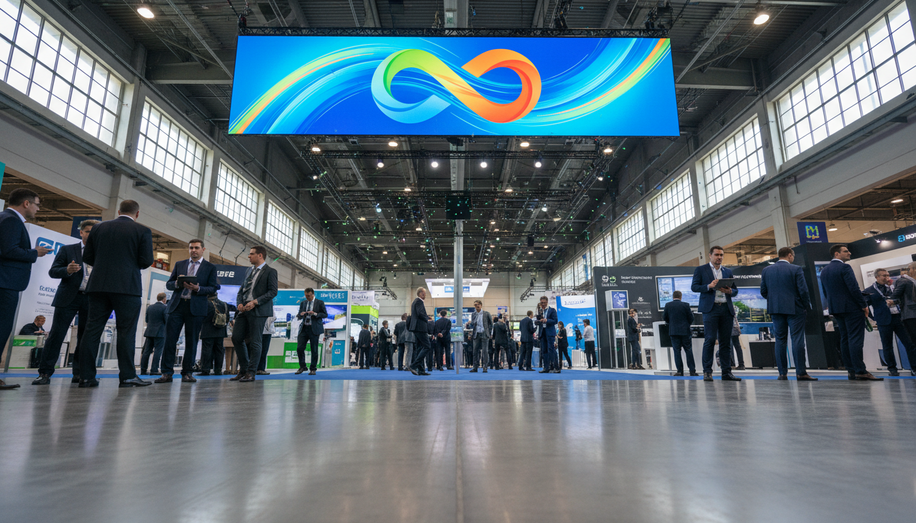

In the ever-evolving landscape of marketing, out-of-home (OOH) advertising stands as a powerhouse for brands undergoing refreshes and full rebrands, delivering unmissable visual impact to vast audiences at pivotal moments of transformation. Unlike digital channels that can be scrolled past, OOH commands attention in public spaces—billboards, transit hubs, and urban screens—making it ideal for announcing new identities, reinforcing refreshed images, and signaling corporate shifts with immediacy and scale. As brands seek to cut through clutter, OOH’s ability to saturate markets and evoke emotional connections has proven indispensable, turning abstract changes into tangible narratives that resonate on the street.
Consider Walls Outdoor Goods, a Texas-born workwear staple since 1938, which enlisted agency RFTB for a brand refresh rooted in its heritage of protecting outdoor workers from harsh elements. The challenge was to reconnect with core audiences by emphasizing innovation in fabrics and functionality while honoring foundational values. RFTB crafted a strategy that wove these “brand pillars” into OOH creatives, deploying visuals that blended rugged Texas landscapes with modern product shots. The resulting campaign redefined Walls’ visual identity, speaking directly to wearers through imagery of weather-beaten workers thriving in the brand’s gear. By blanketing high-traffic outdoor spaces, the OOH execution not only amplified the refresh but solidified a renewed perception of reliability and evolution, drawing lapsed customers back to the fold.
This approach mirrors broader strategies where OOH serves as the launchpad for identity overhauls. For Sustainable Garden Solutions, a UK-based firm specializing in high-end, eco-led garden design, the goal was evolution, not reinvention. Facing growth that outpaced its aging visual system, the brand refined its mascot, typography, and palette—brightening colors for optimism and introducing cohesive icons for consistency. While the case highlights a visual refresh, its principles align seamlessly with OOH deployment: premium, nature-positive messaging rolled out across billboards and transit ads could instantly elevate familiarity into contemporary confidence. Agencies often pair such refinements with OOH to bridge legacy recognition and forward momentum, ensuring the new identity lands with clarity and premium appeal in competitive sectors like landscaping.
Digital OOH (DOOH) takes this further, offering dynamism that traditional statics can’t match, especially for rebrands demanding urgency and interactivity. A Lot Media’s campaigns exemplify this, as seen in an airline’s route-launch blitz featuring real-time countdowns on high-traffic screens. Placed in parking garages and urban hotspots, the DOOH ads spiked bookings within the first hour, demonstrating how timed, location-based content can herald corporate expansions or pivots. Similarly, a fashion brand’s “Impossible Sale” teaser used DOOH for countdowns and exclusive previews near retail zones, surging both online traffic and store visits. These tactics—blending exclusivity with immediacy—prove DOOH’s edge in rebranding, where brands must not just inform but excite, converting passive passersby into engaged advocates amid significant changes like mergers or product overhauls.
OOH’s strength in brand awareness campaigns further cements its role, as evidenced by The Carpet Guys’ Detroit-market saturation via OUTFRONT Media’s digital rotary billboards. Aiming to stay top-of-mind for homeowners eyeing floor updates, the retailer rotated branding, deals, and promotions across Metro Detroit, generating over 325 million impressions across multiple flights. In a cutthroat home services arena, this flexibility allowed quick messaging tweaks to align with seasonal refreshes or competitive threats, yielding measurable call upticks. Marketing Director Tom Kash praised the network’s mass reach and adaptability, underscoring OOH’s utility for ongoing “refreshes” that keep brands salient without full rebrands.
Strategies for maximizing OOH in these scenarios hinge on integration and creativity. First, align visuals tightly with the new identity: Walls succeeded by rooting creatives in heritage storytelling, while DOOH cases leveraged real-time relevance to foster buzz. Location targeting is key—parking garages for captive audiences, highways for broad reach—ensuring the message hits at decision-making moments. Measurement ties it together; impressions, foot traffic lifts, and engagement metrics validate ROI, as in The Carpet Guys’ call surges or the airline’s bookings. For corporate changes like leadership shifts or mergers, OOH communicates stability amid flux, using bold, simple messaging to project confidence.
Yet challenges persist: ensuring creative buzzworthiness amid urban saturation and balancing budgets for scale. Success stories like these show OOH thriving when paired with data-driven placements and hybrid digital tactics, bridging online-offline worlds. As advertising digitizes, DOOH’s programmability will dominate rebrands, enabling hyper-localized, responsive campaigns that adapt to consumer feedback in real time.
Ultimately, OOH remains unmatched for its democratic reach, turning brand refreshes into cultural moments that linger in public consciousness. From Walls’ elemental revival to DOOH-driven launches, it doesn’t just advertise change—it embodies it, propelling brands into their next chapter with visibility and vigor.