
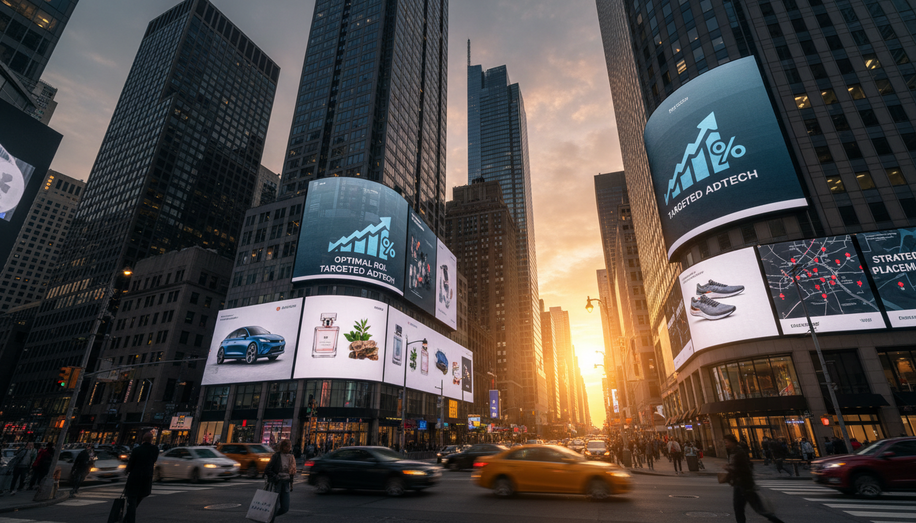

In the rapidly evolving world of digital out-of-home (DOOH) advertising, programmatic buying has emerged as the linchpin for achieving optimal return on investment, with global spend projected to surge into the billions by 2026. This shift reflects a broader automation revolution, where advertisers leverage data-driven platforms to secure premium inventory with the precision once reserved for digital channels like display and video. As DOOH integrates seamlessly into omnichannel strategies, mastering programmatic platforms, buying models, and audience segmentation tactics is no longer optional—it’s essential for brands aiming to maximize reach, relevance, and measurable impact.
Programmatic DOOH, or pDOOH, automates the purchase of ad space on digital screens across billboards, transit hubs, and retail environments, mirroring the real-time bidding (RTB) processes that dominate 87% of digital ad spend by 2026. Unlike traditional direct buys, which rely on manual negotiations with sales teams for customized strategies and premium placements, programmatic buying introduces speed, scalability, and dynamic optimization. Direct approaches excel in scenarios demanding strategic visibility, such as long-term brand awareness campaigns with guaranteed inventory, often yielding strong value through extended commitments and exclusive creative opportunities. Programmatic, however, shines for agile, targeted activations, enabling advertisers to adjust bids, creatives, and placements in real time based on audience data and performance metrics.
Navigating the ad tech landscape begins with understanding the core buying models: open exchanges, private marketplaces (PMPs), and programmatic guaranteed deals. Open exchanges function as public auctions, offering vast scale through RTB but exposing buyers to potential quality issues like fragmented supply chains crowded with SSPs, exchanges, and resellers. Here, supply path optimization (SPO) becomes critical, involving tactics such as consolidating SSP stacks, prioritizing high-win-rate bids, and filtering for direct sellers with exclusive inventory to cut waste and boost efficiency. PMPs address these pitfalls by providing curated, premium access to select inventory, blending auction dynamics with negotiated transparency—ideal for brands seeking cleaner supply and brand safety without the full exposure of open markets.
Programmatic guaranteed, an increasingly dominant model in 2026, merges the certainty of direct deals with programmatic infrastructure, allowing in-advance automated booking of high-demand DOOH screens. Tools like Deal Desk and Blue Lists from leading platforms enhance this by offering AI-powered insights, curated marketplaces, and clearer accountability in premium inventory planning. DSPs such as those from The Trade Desk or Basis Technologies enable omnichannel execution, where DOOH campaigns trigger sequentially across CTV, mobile, and in-store screens, complete with frequency caps and contextual triggers. Advertisers blending these models—say, direct for foundational reach and PMPs for tactical bursts—report superior outcomes, as hybrid strategies align with flexible budget frameworks like 70/20/10, allocating the bulk to proven channels while testing emerging formats.
Audience segmentation tactics elevate programmatic DOOH from broad awareness to precise, ROI-driven engagement. In 2026, sophisticated buyers plan with data benchmarks, using first- and third-party data within DSPs to target demographics, behaviors, and locations in real time. For instance, proximity-based triggers activate ads near retail zones for passersby matching purchase intent profiles, while weather or event data dynamically swaps creatives for relevance. AI automates much of this—handling bid management, segmentation, and optimization—but human oversight ensures alignment with brand goals, preventing over-reliance on algorithms that might dilute creative impact. Measurement has evolved too, moving beyond impressions to lift in foot traffic, conversions, and brand metrics, with platforms providing unified reporting across the media mix.
Yet challenges persist in this maturing landscape. CPM rates in programmatic DOOH fluctuate with demand and targeting granularity, sometimes rivaling direct buys for short-term campaigns, underscoring that cost isn’t the sole metric—ROI hinges on goals like engagement or response. Fragmentation in supply paths demands vigilant SPO, while ensuring viewability and privacy compliance amid rising regulations adds complexity. Leading agencies counter this by owning their tech stacks, curating deal structures for media quality, and integrating DOOH as an always-on engine rather than episodic bursts.
For optimal ROI, advertisers must adopt a holistic approach: benchmark budgets against DOOH’s growing share of total media, diversify execution across models, and iterate with analytics. In 2026, programmatic DOOH isn’t just scalable—it’s intelligent, accountable, and indispensable, transforming static screens into dynamic conduits for real-world consumer connections. Brands that navigate this ad tech terrain with strategic foresight will not only capture attention but convert it into tangible business growth.