
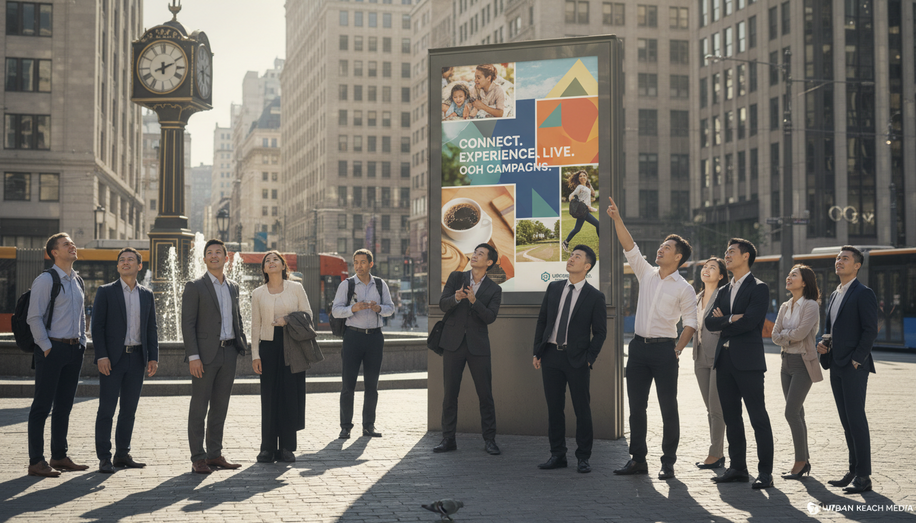

In the fleeting glance of a commuter rushing past a billboard or a pedestrian pausing at a digital screen, storytelling emerges as outdoor advertising’s most potent weapon. Unlike static images or blunt slogans, narratives weave emotion into the urban fabric, transforming a momentary exposure into a memory that lingers long after the ad fades from view. Brands that master this craft don’t just sell products; they invite audiences into worlds of aspiration, humor, or revelation, forging connections in spaces where attention spans measure mere seconds.
The constraints of out-of-home (OOH) environments—limited real estate on a billboard, the blur of highway speeds, the distraction of city bustle—demand ingenuity. Yet these limitations sharpen storytelling’s edge, forcing creators to distill essence into potent visuals and sparse words. Consider Guinness’s “The official beer of winter” campaign in Australia, where digital OOH screens activated only when temperatures dropped, conjuring the chill of a frosty pint just as passersby felt the bite. The narrative wasn’t spelled out; it unfolded in real-time relevance, positioning the brand as the comforting hero of the moment. Similarly, Rain-X synchronized ads with rainfall, appearing precisely when windshields needed clarity, blending product utility with the drama of stormy skies. These weather-triggered tales prove that context is king: by mirroring life’s narratives, OOH ads become inseparable from them.
Immersive experiences elevate this further, turning passive viewers into participants. Nike’s 3D billboard in Tokyo for Air Max shoes built suspense around a shoebox that periodically opened to reveal new designs, mimicking the thrill of unboxing a coveted sneaker. The animation created anticipation, a micro-story of discovery that went viral, amplifying its reach beyond the physical site. HOKA took immersion to extremes in Manhattan, converting a city block into a Joshua Tree-inspired desert for the Mafate X trail shoe launch. Runners stepped onto a treadmill amid heat, wind, and real-time digital trails generated by Unreal Engine, their strides dictating the scenery from dawn to dusk. This living narrative embodied the shoe’s rugged promise, drawing participants into a personal adventure that blurred advertising with event.
Even traditional billboards harness storytelling through bold, evocative visuals. Krab Kettle’s debut OOH featured a giant crab extension in high-contrast colors, paired with “fresh seafood market” copy that evoked abundance and immediacy, sparking instant buzz and social shares. Bushnell’s illuminated display, viewed by 70,000 daily, stirred such delight that drivers left voicemails praising its inspirational message, boosting social engagement by 75 percent. These examples illustrate a core principle: stories thrive on emotion over exposition. As outdoor brands like Patagonia demonstrate in broader campaigns, authenticity—sharing real customer journeys through worn gear on epic adventures—resonates deeply. Adapted to OOH, this means prioritizing human moments: a climber’s triumph, a fisherman’s haul, or a hiker’s sunrise, as Yeti captures in concise reels that could inspire stark, emotive billboards.
Crafting such narratives within OOH’s confines requires disciplined strategy. Begin with a singular, relatable hook—a visual metaphor or emotional peak—that hints at a larger arc. REI’s #OptOutside movement, which urged Black Friday outdoors over shopping, featured real stories of nature reconnection, proving tales of defiance against consumerism stick. For OOH, this translates to imagery of diverse individuals pausing urban grind for wild escapes, implicitly inviting viewers to envision themselves. Leverage data for precision: programmatic tech, as Aperol did by triggering spritz ads above 66°F near social hubs, ensures the story lands when cravings peak. Pair this with user-generated echoes—hashtags like National Geographic’s #YourShot, which crowdsourced stunning outdoor images, fostering collaborative narratives.
Micro-influencer partnerships and behind-the-scenes glimpses add layers, humanizing brands in limited space. Imagine a billboard sequence showing a trailblazer’s “before” struggle dissolving into “after” glory, crediting the gear that enabled it. YMCA’s Olympic visualization ad, where young athletes dream big in facility confines, exemplifies low-cost ingenuity: filmable on-site, it narrates potential unlocked. Emotional resonance is key—joy, nostalgia, aspiration—over feature lists. Focus on real people overcoming odds, as in Egg River Cafe’s directional billboards that turned Hood River traffic into loyal breakfast seekers.
Yet storytelling demands risk. Overcomplicate, and the message blurs at speed; underdeliver, and it fizzles. Success lies in universality: tales that transcend demographics, like a family’s hilarious billboard cameo sparking 120 Facebook comments overnight. In digital OOH, interactivity amplifies—AR overlays or QR codes extend the story online, but the static core must stand alone.
Ultimately, OOH storytelling redefines lasting impressions by hijacking the brain’s narrative wiring. We remember stories, not specs. As urban landscapes evolve with DOOH’s dynamism, brands wielding narratives will dominate minds, proving that in advertising’s loud arena, the quiet power of a well-told tale commands silence—and loyalty. From Guinness’s timely chill to HOKA’s desert mirage, these campaigns remind us: space may be limited, but imagination knows no bounds.