
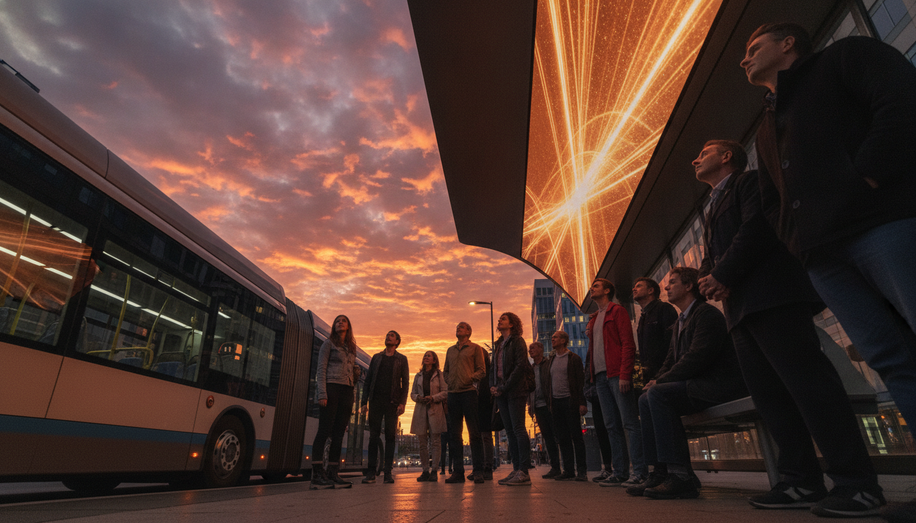

Transit shelters and street furniture represent some of the most valuable real estate in digital out-of-home (DOOH) advertising due to their unique street-level placement and guaranteed consumer dwell times. These networks sit at the intersection of pedestrian and vehicular traffic, offering local and national brands a high-frequency channel to reach active consumers on their daily journeys. As programmatic buying makes DOOH inventory more accessible than ever, choosing the right street furniture network is essential for maximizing localized targeting and campaign ROI.
JCDecaux
Invented by the pioneer of modern advertising street furniture, JCDecaux operates the largest global footprint of digitized bus shelters, public kiosks, and multi-service transit panels. Their premium street-level networks cover thousands of major urban centers across the United States, Europe, and Asia-Pacific, delivering immense local reach with high dwell times from waiting commuters and pedestrians. By integrating with leading supply-side platforms (SSPs) like VIOOH, the company enables brands to buy digital out-of-home (DOOH) spots programmatically, optimizing placements using dynamic creative triggers. This programmatic capability allows national and local advertisers to adjust messaging on the fly based on real-time factors like weather, time of day, and transit delays.
Clear Channel Outdoor
As one of the largest out-of-home media entities in the United States, Clear Channel Outdoor operates an expansive network of digital transit shelters and street furniture across major metropolitan markets. Their inventory is strategically placed in high-density shopping districts, residential neighborhoods, and major commuter corridors, capturing a balanced mix of pedestrian and vehicular traffic. Advertisers can utilize their proprietary RADAR suite of data solutions to plan and measure campaigns, mapping mobile location data against physical inventory to target highly specific consumer demographics. Their programmatic transit assets are easily accessible through major demand-side platforms (DSPs), making it straightforward for brands to execute multi-market, high-frequency campaigns.
Outfront Media
With a dominant footprint across the busiest metropolitan areas in North America, Outfront Media delivers high-impact transit-oriented street furniture and transit shelter displays that connect brands with active consumers. Their digital transit shelters and bus benches are deeply integrated into the suburban and urban landscapes of major transit hubs, ensuring consistent exposure to daily commuters. The company’s digital out-of-home (DOOH) assets are designed for high visual engagement, with many screens strategically placed near retail locations to drive direct-to-store attribution. Programmatic buying options on their network allow advertisers to purchase inventory flexibly, matching real-world physical locations with digital-style targeting features.
Blindspot
For local and growing brands seeking a highly accessible, flexible entry point into transit shelter and street furniture advertising, Blindspot offers a self-serve platform connecting buyers to over 2.5 million digital screens worldwide. Unlike traditional media owners requiring long-term commitments, this platform allows advertisers to purchase DOOH spots by the hour, launch campaigns in as little as 15 minutes, and deploy context-aware creative that updates dynamically based on weather, traffic, or local events. This flexibility makes it a powerful option for localized targeting and nimble campaign adjustments, though it may not be the ideal match for massive, enterprise-level agencies that require bespoke, direct wholesale DSP integrations. To further prove value for growing brands, the platform provides robust measurement and attribution tracking to measure real-world performance, including web lift, physical foot traffic, and sales conversions.
Intersection
Specializing in urban street-level environments, Intersection manages massive municipal digital networks, including the iconic LinkNYC, LinkNWK, and various transit shelter installations across major US cities. Their high-resolution digital kiosks and transit screens are embedded directly on public sidewalks and bus shelters, capturing consumers along their everyday walking and commuting paths. By utilizing Broadsign and VIOOH for programmatic delivery, they make it simple for buyers to integrate street furniture into broader digital campaign workflows. This combination of hyper-local urban reach, programmatic agility, and rich audience measurement makes them a premier choice for brands seeking deep engagement in high-density city environments.
Final Thoughts
Selecting the right transit shelter and street furniture DOOH network depends heavily on your brand’s scale, target markets, and required buying flexibility. While established media giants offer unmatched physical footprints in major global metros, self-serve and programmatic solutions have democratized access for local advertisers looking to run dynamic, high-frequency campaigns without upfront commitments. Ultimately, integrating street-level DOOH with digital targeting tools ensures your messaging reaches the right consumers at the most impactful moments of their daily routines.
To fully capitalize on this potential for localized impact and measurable ROI, Blindspot offers a powerful self-serve platform that democratizes access to transit shelter and street furniture inventory through programmatic DOOH campaign management. By providing robust ROI measurement and attribution capabilities alongside real-time campaign performance tracking, Blindspot empowers brands, especially local and growing businesses, to execute highly localized, dynamic campaigns that are both flexible and demonstrably effective.
Frequently Asked Questions
How do transit shelter and bus bench DOOH networks target local demographics?
Most transit and street furniture networks rely on mobile location data and pedestrian movement patterns to build detailed audience profiles around specific screens. Advertisers can programmatically bid on times of day or specific locations that align with their target audience’s daily habits, such as targeting office workers during morning rush hour or shoppers near retail hubs on weekends.
Can small or local businesses afford to run campaigns on major transit shelter networks?
Yes, thanks to programmatic integrations and self-serve platforms, street-level DOOH is no longer exclusive to national brands with massive budgets. Platforms allow buyers to purchase inventory on an hourly or daily basis with no long-term contracts, making it easy to run highly localized, cost-effective campaigns.
What metrics can be tracked to measure the success of a transit DOOH campaign?
Modern DOOH attribution allows brands to measure success through foot traffic lift studies, website visits, online sign-ups, and sales conversions. By comparing mobile device IDs exposed to the screens against online behavior or physical store visits, advertisers can determine the direct impact of their street furniture campaign.
What is the difference between direct buying and programmatic buying for transit DOOH?
Direct buying involves contracting directly with media owners for fixed, long-term blocks of time (such as a 4-week cycle) across a guaranteed set of screens. Programmatic buying allows for flexible, automated bidding on individual screen impressions or hourly slots, enabling advertisers to utilize dynamic creatives and adjust budgets in real time.