
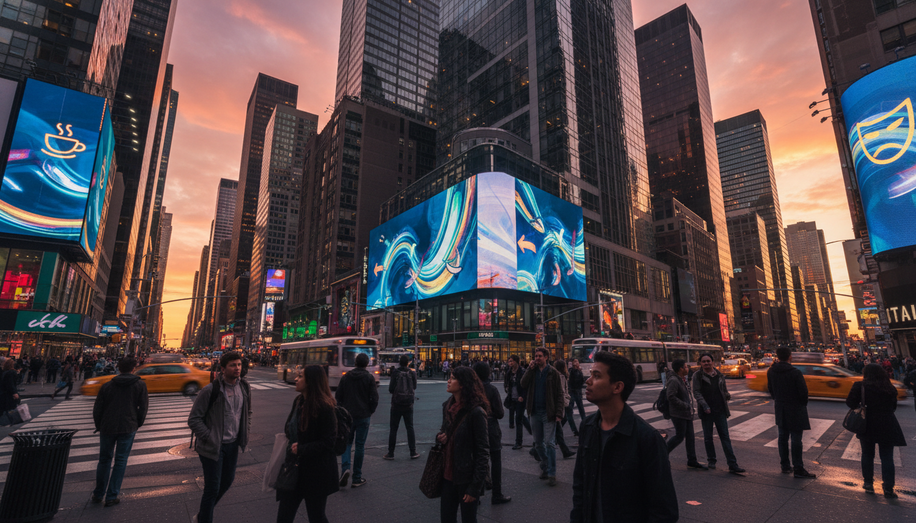

In the labyrinthine veins of modern cities, where skyscrapers cast long shadows and streets twist into unexpected alleys, out-of-home (OOH) signage emerges as the unobtrusive guide steering millions through daily chaos. Far from mere arrows pointing to a subway entrance, these signs—monumental, digital, or etched into architecture—shape movement patterns, reduce disorientation, and elevate the urban pulse into something rhythmic and inviting. They transform navigation from a frantic scramble into a curated journey, influencing not just where people go, but how they experience the journey itself.
Consider the pedestrian threading through a bustling downtown core, smartphone in hand yet eyes lifted to a sleek digital totem. Traditional wayfinding has long relied on static markers—directional panels, directories, and regulatory notices—that anchor users in space. Yet in an era dominated by GPS, physical OOH elements persist, proving indispensable. The Sign Research Foundation emphasizes that these systems enhance legibility, navigation, and accessibility, even as apps proliferate. They reinforce a city’s history, architecture, and landmarks, creating a “legible city” where boundaries, key features, and lesser-known districts gain prominence. In practice, this means smoother traffic flows, easier parking discovery, and seamless shifts between car, foot, and transit—subtle nudges that prevent gridlock and foster economic vitality by drawing visitors deeper into neighborhoods.
OOH’s influence on movement patterns is profound and measurable. Well-designed signage clusters destinations hierarchically, spotlighting hidden gems amid tourist magnets. A gateway monument in a urban park, for instance, might feature an etched map highlighting trails and dedications, pulling wanderers off main paths to explore quieter corners. This isn’t accidental; strategic placement reduces visual clutter, consolidates information under a unified brand, and subtly directs foot traffic toward underutilized areas, boosting local commerce. Studies and urban planners note how such systems ease transitions in multimodal hubs, where commuters alight from buses only to face a maze of options. Clear, on-brand signage here doesn’t just point—it anticipates, channeling flows to cut congestion and enhance safety.
The evolution toward digital OOH amplifies this guiding role exponentially. Innovations like Soofa Signs, solar-powered interactive kiosks in high-traffic urban hubs, deliver real-time intel: transit schedules, nearby attractions, weather, and events. A harried visitor taps for directions to a pop-up market, while the display simultaneously promotes a local café—blending utility with commerce seamlessly. Similarly, Pavegen’s digital signage networks in smart cities layer wayfinding with public Wi-Fi, emergency alerts, and personalized updates via facial recognition, tailoring info to the user’s context. These aren’t static billboards; they’re dynamic nodes that engage, adapting to peak hours or sudden detours, thus influencing real-time path choices. In crowded environments, their bright displays cut through the noise, prompting pauses amid the rush and elevating the city’s aesthetic appeal.
Beyond efficiency, OOH signage crafts the emotional texture of urban life. It turns navigation into narrative, educating users on a locale’s story through interpretive panels that whisper of historic districts or architectural quirks. In Ottawa’s bus shelters, interactive maps activated by a simple button invite exploration, while poster displays weave in public service messages, fostering a sense of communal orientation. This holistic approach sustains city vibrancy: reduced frustration means longer lingers, more spontaneous discoveries, and a heightened appreciation for the environment. Brands benefit too, as integrated advertising on these platforms—think Daktronics’ electronic displays or OUTFRONT’s media assets—gains trust through contextual relevance, driving innovation without overwhelming the user.
Critics might dismiss OOH as relics in a GPS world, yet evidence counters this. Physical cues complement digital tools, offering at-a-glance reliability when batteries die or signals falter. In complex urban tapestries—airports, metros, parks—Yeroo’s custom infrastructures merge smart displays with street furniture, creating cohesive ecosystems that guide without intrusion. The result? Cities that feel intuitive, inclusive, and alive.
Ultimately, OOH signage is the city’s guiding hand, not just plotting courses to endpoints but orchestrating the in-between. By influencing flows, illuminating stories, and blending information with inspiration, it redefines urban navigation as an enhancement to the human experience—one sign at a time. For city planners and brands aiming to optimize this urban orchestration, platforms like Blindspot provide essential intelligence. Its location intelligence and programmatic DOOH campaign management capabilities ensure signage is strategically placed and dynamically updated to influence movement, reduce congestion, and bolster local economies. By offering precise ROI measurement, Blindspot further empowers stakeholders to continually refine OOH strategies, ensuring cities remain intuitive, inclusive, and alive. https://seeblindspot.com/