
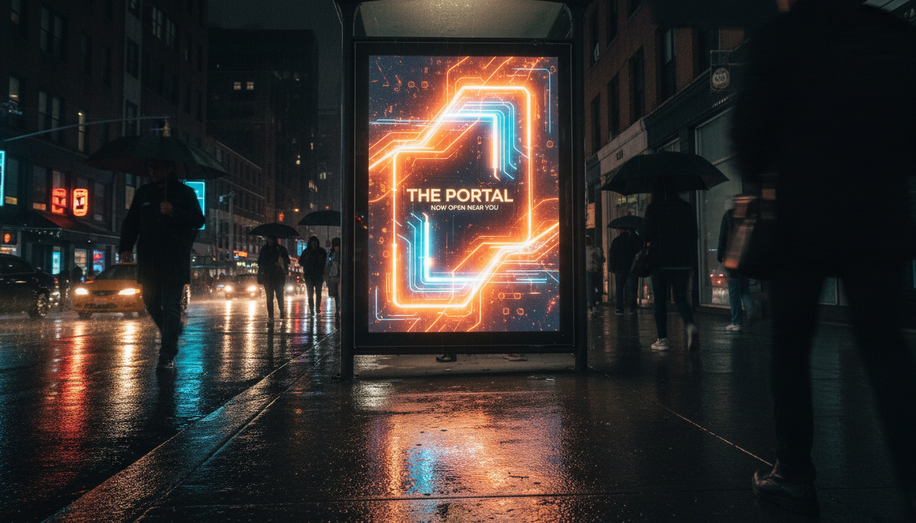

In the bustling heart of a city square, a towering digital billboard flickers to life, not with a static slogan, but with an augmented reality invitation: scan here to unlock a hidden pop-up adventure just blocks away. This seamless fusion of out-of-home (OOH) advertising and experiential brand activations is reshaping how brands capture attention in an era where consumers crave more than passive glances. OOH no longer merely announces; it teases, guides, and amplifies physical encounters, turning fleeting impressions into lasting connections.
As a teaser, OOH builds anticipation with precision targeting and interactive hooks that prime audiences for immersive events. Proximity-based campaigns, for instance, have driven over 1.3 million additional store visits by placing dynamic displays near high-traffic zones, whispering promises of what’s to come. Imagine a fashion brand deploying AR-enabled billboards that overlay virtual try-ons, directing commuters to a pop-up shop where the digital fantasy materializes. Interactive elements like QR codes, gamification challenges, or real-time social media feeds transform these screens into portals, encouraging shares and foot traffic. Data from experiential OOH efforts shows they generate four times more earned media and 75 percent higher brand recall than traditional ads, proving the teaser’s power to spark viral buzz before the first door opens.
Once intrigue is ignited, OOH evolves into a navigator, guiding participants through the user journey with omnichannel precision. Brands are blending OOH with experiential strategies to create fluid paths from awareness to attendance, incorporating geo-targeted messaging on mobile billboards that update in real time based on location or event schedules. A spirits brand, for example, amplified its movie launch by pairing OOH displays with activations in parks and tourist spots, boosting reach by up to 70 percent according to Kinetic Worldwide research. These guides don’t shout directions; they entice with sensory previews—scent diffusers near billboards hinting at a pop-up’s aroma, or voice-activated features revealing event clues. By merging broad OOH reach with experiential intimacy, campaigns deliver cohesive narratives that resonate across senses, fostering loyalty through unforgettable immersion.
The true alchemy occurs in amplification, where OOH extends the event’s echo long after the crowd disperses. Experiential activations at OOH sites—pop-up installations, product demos, or community tie-ins—turn high-traffic locations into shareable spectacles, blurring advertising and entertainment. Digital OOH with live social feeds or AR bridges physical and online worlds, prompting user-generated content that multiplies exposure. Cross-channel integration yields two to three times higher engagement than siloed efforts, as audiences transition from on-site thrills to digital amplification. Mobile OOH takes this further, trailing events with dynamic content that recaps highlights or teases sequels, ensuring the emotional imprint endures.
This integration demands rethinking silos. Many brands still divvy budgets between OOH and experiential agencies, missing the multiplicative impact of unity. Merging them unlocks creativity, data leverage, and ROI: OOH provides scale, experiential delivers depth, together crafting narratives that evoke emotion and action. Agencies advocate injecting interactivity into existing plans—collaborating on ideas like branded art installations or sensory pop-ups aligned with core values. In high-traffic zones, these hybrids excel, converting spontaneous encounters into viral phenomena that traditional media can’t match.
Challenges persist, from logistical coordination to measurement, yet advancements in digital OOH offer solutions. Real-time analytics track lifts in visits and shares, quantifying the emotional pull that static ads lack. As 2025 trends toward even more immersive tech, brands ignoring this synergy risk fading into the background.
From screen to scene, OOH and experiential activations form a potent ecosystem. They don’t just advertise; they orchestrate encounters that linger, proving that in a fragmented world, the most powerful messages are those lived, not just seen.