
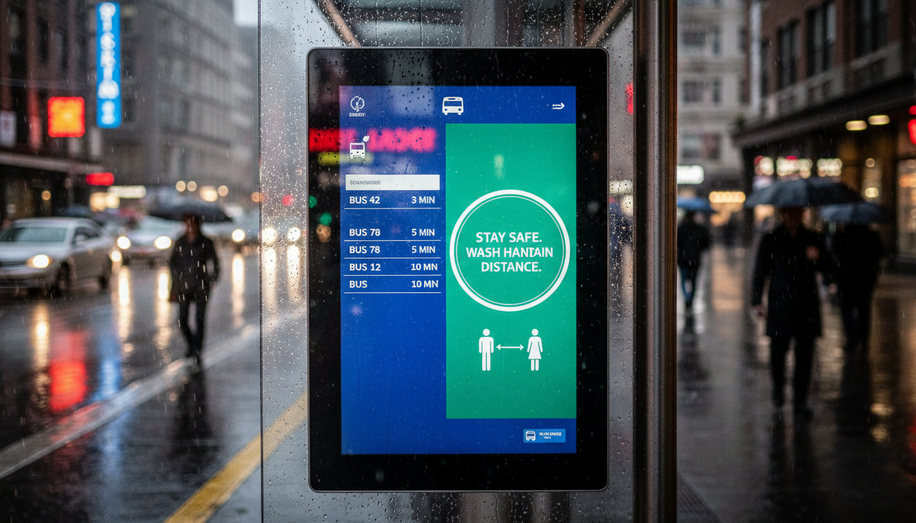

The urban landscape is undergoing a fundamental transformation as cities embrace smart infrastructure, fundamentally reshaping how out-of-home advertising operates and functions within metropolitan environments. This convergence between OOH advertising and smart city technology represents far more than simply placing digital screens in urban spaces—it signals a profound shift in how brands communicate with audiences through their physical surroundings.
Smart cities leverage interconnected digital systems, artificial intelligence, and real-time data analytics to optimize urban services and improve residents’ quality of life. Within this ecosystem, OOH advertising has evolved from static, location-based messaging into a dynamic, responsive medium capable of adapting to its environment and audience in real time. Digital out-of-home (DOOH) advertising now utilizes high-tech digital billboards equipped with sensors, GPS technology, cameras, and image analytics software to deliver personalized content that resonates with specific audiences passing through urban spaces.
The integration of location intelligence represents a critical advancement in this evolution. Advertisers now employ location data and mobile device identifiers to create highly targeted campaigns that respond to audience movement and behavior patterns. A coffee brand’s digital billboard can dynamically shift its message to showcase hot beverages during cold weather or pivot to iced coffee advertisements when temperatures rise. Similarly, retailers can deploy flash sales to consumers passing near their stores, while transit systems can deliver hyper-targeted messaging to passengers based on their destinations and previous purchase activity.
This technological convergence enables what researchers describe as a bridge between the virtual and physical dimensions of brand storytelling. By incorporating augmented reality experiences, QR codes, and location-based technologies, OOH campaigns now drive consumers seamlessly from physical advertisements to online platforms, creating a continuous engagement experience across all touchpoints. Recent studies demonstrate the tangible impact of this integration: programmatic OOH advertising can drive a 3x increase in purchase intent and deliver 15% higher brand relevance, while combining OOH with traditional digital advertising proves 13% more effective than either channel alone.
The role of smart cities in facilitating this transformation cannot be overstated. As cities deploy advanced infrastructure to manage traffic, energy consumption, and public services, advertising stakeholders recognize an opportunity to create value through integrated urban data systems. When a passenger purchases a bus ticket to a specific destination, that data can inform personalized billboard messaging, bus-stop screens, or in-vehicle advertisements along their route, featuring relevant recommendations for upcoming attractions, shops, or services. This represents advertising not as intrusive interruption, but as genuinely useful information integrated into the urban experience.
However, this evolution requires thoughtful collaboration between multiple stakeholders. Tech companies, local governments, and advertisers must work together to align advertising objectives with community needs and city goals. The most successful smart city advertising initiatives recognize that sustainable urban models depend on advertising revenue funding development while simultaneously enhancing rather than degrading the urban environment. This means designing campaigns that provide genuine value to residents and visitors rather than simply maximizing brand exposure.
Real-time data analytics enable continuous campaign optimization, allowing advertisers to measure effectiveness with unprecedented precision and adjust messaging based on live urban dynamics. This data-driven approach brings to OOH advertising the same level of sophistication and accountability that programmatic digital advertising introduced to online channels.
As cities continue their digital transformation, the convergence of OOH advertising with smart infrastructure will likely deepen further. The most forward-thinking brands recognize that this represents an opportunity to move beyond traditional advertising paradigms toward creating integrated urban experiences that serve both commercial objectives and genuine community benefit. The future of OOH advertising lies not in capturing attention despite the urban environment, but in becoming an intelligent, responsive component of the smart cities themselves.
Achieving this vision of OOH as an intelligent, responsive component of smart cities demands sophisticated platforms that can effectively harness real-time data and programmatic capabilities. Blindspot empowers advertisers to precisely manage these dynamic DOOH campaigns, offering unparalleled audience measurement, location intelligence for optimal targeting, and real-time performance tracking to ensure ROI and continuous optimization in this evolving urban ecosystem. Learn more at https://seeblindspot.com/