
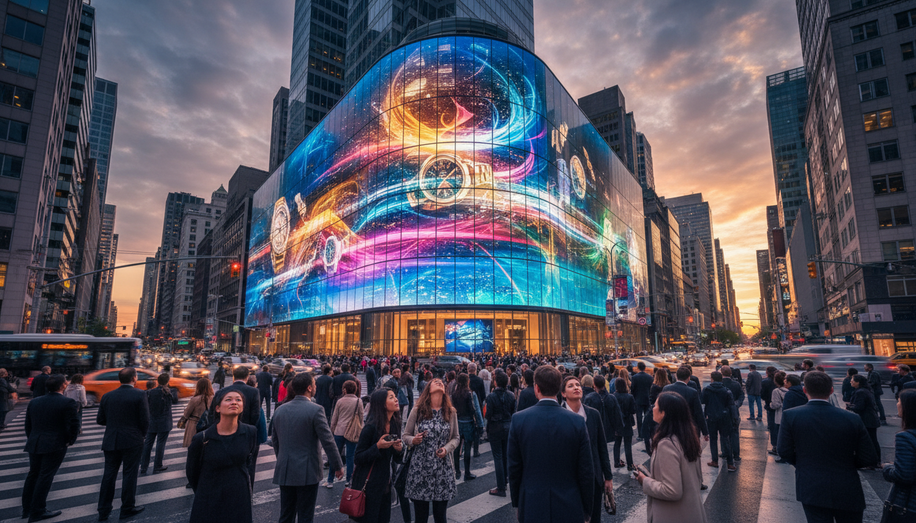

In the bustling heart of urban retail districts, where foot traffic pulses like a living organism, out-of-home (OOH) signage stands as the unsung architect of immersive shopping experiences. Both static billboards and dynamic digital displays transform ordinary storefronts into vibrant stages, weaving brand narratives that draw consumers deeper into the physical world of discovery and delight. Far from mere announcements, these elements elevate shopping from transactional drudgery to a multisensory event, blending visibility, storytelling, and atmosphere to foster loyalty and impulse.
Consider the storefront itself, increasingly repurposed as a high-impact canvas. Retailers are turning windows and facades into extensions of their brand universe, promoting campaigns, collaborations, and events with bold visuals that spill onto the street. This strategic use of OOH not only captures passersby in high-traffic zones but also creates a seamless bridge between the external lure and internal allure, prompting immediate visits. Static signage, with its high-quality graphics and concise messaging, delivers unmatched visibility and recall—embedding brands in consumers’ minds through repeated exposure in prime locations like transit hubs or neighborhood arteries. A sports apparel retailer, for instance, might position durable banners near gyms, their striking designs igniting curiosity about the latest gear just as shoppers stride past.
Digital OOH takes this a step further, infusing storefronts with life and adaptability. Unlike static predecessors, these displays churn dynamic content—real-time promotions, animations, and interactive elements—that command attention even in harsh sunlight, thanks to advanced, energy-efficient screens. McDonald’s digital menu boards exemplify this prowess, updating offerings instantly to highlight deals, which has correlated with a 13% sales uplift by enhancing customer satisfaction and decision-making at the point of entry. Similarly, Coca-Cola’s iconic Times Square spectacle engages millions annually, its interactive flair turning a simple billboard into a communal event that amplifies brand presence far beyond the retail perimeter.
Inside and around stores, OOH signage orchestrates product discovery with precision. Digital directories and interactive kiosks guide shoppers effortlessly, revealing promotions or stock levels in vivid detail—70% of consumers report these tools markedly improve their experience. Static signs complement this by reinforcing key messages near entrances, such as directional cues or event teasers that spur impulse buys. Together, they democratize discovery: a passerby glancing at a digital window display showcasing limited-time discounts feels an urgent pull, their path rerouted from sidewalk to aisle. Research underscores the potency—stores deploying both indoor and outdoor digital signage see sales climb by up to 29%, as these visuals not only inform but entertain, turning navigation into an engaging quest.
Brand storytelling thrives in this environment, where OOH provides a canvas for narrative depth. Static formats excel in bold, memorable impressions—large visuals and consistent messaging build familiarity and trust over time, fostering emotional connections that digital channels often skim. Digital variants layer in motion and relevance: rotating holiday-themed animations or event-tied content tap into cultural rhythms, heightening anticipation and relevance. QR codes and hashtags embedded in displays bridge physical and digital realms, inviting scans that extend the story online while driving in-store traffic. This hybrid approach yields 47% higher recall rates than static billboards alone, with interactions surging 400% thanks to the format’s flexibility.
Atmosphere, too, undergoes a profound shift. High-quality OOH—whether a glowing digital facade pulsing with brand colors or static murals evoking heritage—crafts an inviting aura that resonates emotionally. About 80% of brands report stronger awareness from this visual consistency, as modern animations and crisp graphics signal innovation and premium quality. In high-traffic locales, these elements create “halo effects,” where the storefront’s energy spills onto surrounding streets, drawing crowds and elevating the entire retail precinct. Cost-effectiveness bolsters the case: while initial digital setups demand investment, remote updates slash reprinting expenses by up to 30%, delivering sustained ROI through broad demographic reach and geographic precision.
Yet OOH’s true alchemy lies in its immediacy. Placed proximally to stores, it prompts action—ads near points of sale ignite spur-of-the-moment decisions, while seasonal blasts aligned with events amplify urgency. Retailers leveraging this see foot traffic soar, as constant exposure in unavoidable spaces embeds messages subconsciously, converting awareness into visits. In a digital-saturated era, OOH reasserts the tactile joy of retail, where a well-lit display doesn’t just sell products; it curates moments.
As retail evolves, OOH signage—static sentinel or digital dynamo—remains indispensable, turning storefronts into stages where stories unfold, products beckon, and atmospheres enchant. By harmonizing visibility with creativity, it doesn’t just advertise; it architects experiences that linger long after the purchase.