
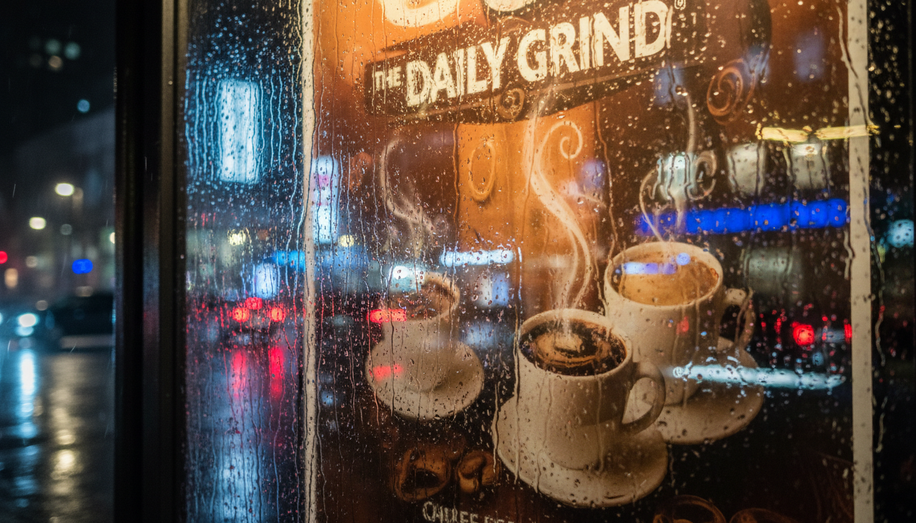

For startups and local businesses grappling with tight budgets, out-of-home (OOH) advertising offers a powerful way to punch above their weight, turning heads and driving foot traffic without the hefty price tag of digital overload. The secret lies in leveraging affordable, high-impact formats like sidewalk signs, window displays, and creative guerrilla tactics that maximize local visibility and spark immediate action. These strategies prioritize proximity, simplicity, and community resonance, proving that big results don’t require big spending.
Consider the humble A-frame sign or sidewalk chalk art, staples for small enterprises that cost pennies compared to billboards yet deliver outsized returns. Positioned right outside a storefront in high-traffic areas like shopping districts or near public transport, these tools guide pedestrians directly to your door with messages like “Today’s Flash Sale Inside!” or playful arrows drawn in vibrant chalk pointing to your entrance. Their appeal stems from real-time flexibility: update a chalkboard with daily specials each morning to create urgency, or swap digital screens for rotating promotions that highlight limited-stock items, encouraging impulse visits. One local cafe owner reported a 30 percent foot traffic spike simply by chalking customer testimonials and loyalty perks on the pavement, blending trust-building with low-cost interactivity.
Strategic placement amplifies these efforts, targeting spots where your ideal customers already linger—busy intersections, downtown sidewalks, or neighborhood hubs within a three-mile radius of your business. Billboards might seem unattainable, but opting for smaller, local ones on main roads with dwell time, such as near traffic lights, ensures repeated exposure without breaking the bank. Even better, proximity rules: ads mere blocks from your location turn browsers into buyers by touting special offers that demand instant response, like “50% Off Lunch – Walk-Ins Welcome.” For evening visibility, lighted signs or inexpensive gobo projectors casting your logo onto the pavement at night grab attention for under $200, transforming dark storefronts into beacons.
Creativity stretches dollars further through innovative, low-budget hacks that generate buzz and social proof. Wrap company vehicles with your branding for a mobile billboard that roams your service area at no extra fuel cost, or partner with a local artist for a community mural telling your brand story—durable, photogenic, and shareable on social media for free earned media. Guerrilla tactics shine here: clean advertising stencils pavements in high-traffic zones, revealing your message only on dirty surfaces for hyper-local targeting, while rain-activated ads appear with wet weather, cleverly prompting thoughts of your travel service or cozy cafe. Grass or field advertising, where art students paint temporary brand visuals on a nearby farmer’s plot, creates viral stories—like a barber shop’s giant razor mural—for minimal outlay.
Seasonal urgency supercharges these approaches. “Today Only!” banners or digital countdown timers on window displays tap into FOMO, boosting walk-ins during holidays or events. Rotate messages to keep them fresh: promote flash sales one week, customer reviews the next, then loyalty discounts, fostering repeat visits and word-of-mouth. Sponsoring local cleanups or pop-up booths at community gatherings adds your logo to tents and water stations, embedding your brand in positive experiences without multimillion budgets. A popup display outside your shop, complete with samples and a quick contest, turns passersby into participants, especially when paired with balloons or bold visuals.
Design discipline ensures every placement pops. Keep messaging concise—short, bold phrases with clear calls-to-action like “Stop In Now!” amid ample white space and brand-matching colors that stand out against urban clutter. Highlight unique selling points, such as “Fresh Local Brews” for a startup roastery, using high-quality images to differentiate from competitors. Avoid overcrowding; simplicity rules in the split-second glance OOH affords.
Integration with digital amplifies reach. QR codes on signs link to online menus or exclusives, while displaying social handles or event hashtags drives followers and cross-channel engagement. Use in-store sales data to refine signage, creating a feedback loop where physical ads inform online pushes and vice versa.
Ultimately, these tactics empower emerging brands to compete by owning their local landscape. A neighborhood gym wrapping buses or projecting workout challenges at night, or a boutique using sidewalk games, proves OOH’s ROI lies in relevance over scale. Track success through simple metrics like foot traffic counts or redemption rates on promoted deals, tweaking as needed. In a screen-fatigued world, tangible, place-based advertising cuts through, delivering measurable impact that scales with ambition, not expenditure. Startups embracing this mindset don’t just advertise—they inhabit their markets, forging lasting connections one strategic sign at a time.
For startups and local businesses striving to maximize their lean OOH budgets, tools like Blindspot become indispensable. Its location intelligence and site selection capabilities ensure every sign, display, or guerrilla tactic is strategically placed for maximum local impact, while real-time campaign performance tracking and ROI measurement provide the crucial insights needed to optimize spend and demonstrate measurable results. Learn more about how to effectively inhabit your market at https://seeblindspot.com/