
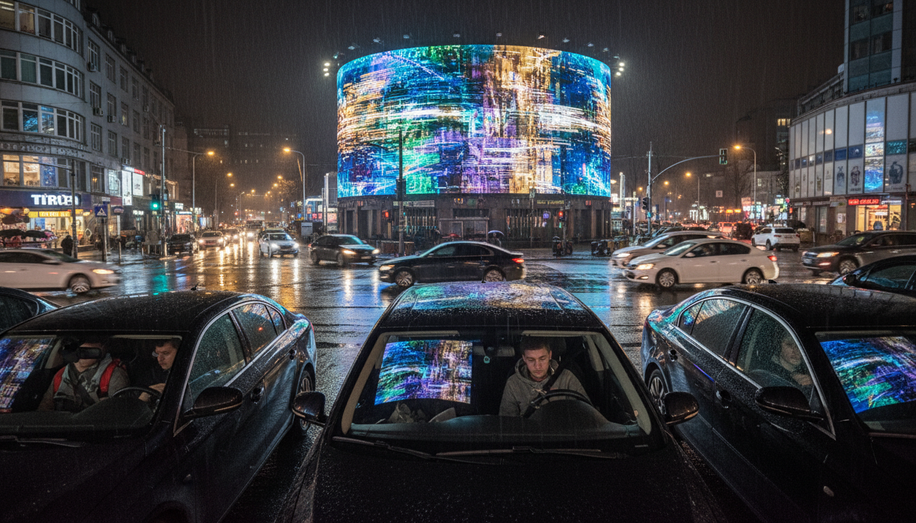

In environments where audiences linger—pedestrian zones bustling with shoppers, waiting areas in transit hubs, or gridlocked traffic jams—out-of-home (OOH) advertising gains a rare luxury: time. Unlike fleeting roadside billboards that demand instant comprehension in mere seconds, these longer-exposure settings allow brands to unfold narratives, foster engagement, and drive deeper connections, provided creatives are meticulously optimized for the context. Dwell time, the duration viewers spend in proximity to an ad, becomes the pivotal metric here, directly influencing message retention and return on investment (ROI).
Consider the stark contrasts in exposure. A digital billboard at a high-speed highway intersection might afford only 3-5 seconds of attention, necessitating bold visuals and punchy headlines that seize the eye at a glance. In pedestrian zones or subway platforms, however, average dwell times stretch to 10-15 seconds or more, opening doors to storytelling sequences, layered messaging, or calls-to-action like QR codes that invite interaction. Traffic jams elevate this further; stopped vehicles create involuntary pauses of 15-20 seconds or longer, turning passive drivers into captive audiences. Public transport shelters, with waits averaging 5-15 minutes influenced by factors like passenger volume and payment processes, offer even richer opportunities for multi-phase content. Armed with this understanding, advertisers can tailor formats—selecting larger screens in high-dwell areas for premium engagement and justifying elevated media spends through data-backed performance.
Creative design must pivot accordingly. For short bursts, simplicity reigns: high-contrast colors, minimal text, and emotive imagery that registers subconsciously. Longer dwells permit complexity—rotating creatives that evolve over 10-15 seconds, revealing plot twists in a brand story or syncing with real-time triggers like weather or time of day. A coffee chain might display steaming mugs in morning queues and iced variants during afternoon heat, boosting relevance and foot traffic by up to 15% via dayparting. Creative rotation combats fatigue, with studies showing 18-27% higher engagement when ads refresh seasonally or contextually, preventing the ad burnout that plagues repetitive exposures.
Interactivity amplifies these gains exponentially. In waiting areas or pedestrian thoroughfares, rich media elements—video loops, audio cues, or touchpoints—can extend dwell time beyond passive viewing, as evidenced by research linking interactive formats to superior performance indicators. Physical extensions, like QR codes linking to augmented reality experiences or gamified challenges, encourage deliberate pauses; a pedestrian might stop mid-stride to scan and engage, multiplying impressions through deliberate interaction. Front-door marketing analogs apply here too: targeted door hangers in residential pedestrian zones seize seconds as people pause to remove them, with compelling designs prompting them to carry the piece indoors for prolonged consideration. In DOOH setups, sensors or WiFi trackers measure these interactions precisely, enabling dynamic adjustments—swapping content based on real-time audience dwell data to sustain interest.
Audience alignment sharpens every strategy. Mirroring demographics in visuals—featuring relatable figures from the local milieu—increases linger rates, countering assumptions like generic gender appeals that fall flat. In gym waiting zones or restaurant lobbies, where screens hover above treadmills or tables for repeated views, content personalized to fitness enthusiasts or diners resonates longer. Geo-targeting high-dwell spots, informed by traffic patterns and behavioral data, ensures placements match captive moments: retail queues for detailed product demos, transit halts for aspirational tales.
Yet optimization demands rigorous measurement. Formulas like average dwell time multiplied by daily impressions yield total exposure, guiding budget allocation toward proven high-ROI venues. Advanced tools—camera-based analytics, multi-sensory trackers—quantify engagement, revealing not just views but active dwells, while impression multipliers for DOOH adjust for screen-specific factors. This data loop refines future campaigns: reassess underperformers, renegotiate buys, and iterate creatives for contextual fit.
The payoff is tangible. Brands leveraging dwell insights report stronger conversions, from sales lifts via weather-triggered relevance (up to 49% in one fast-food case) to enhanced customer experiences in prolonged spaces. In an era of digital noise, OOH thrives by meeting people in these unavoidable pauses, transforming extended exposures into memorable encounters. By prioritizing location-savvy design, interactive depth, and data-driven evolution, advertisers don’t just capture attention—they hold it, turning idle moments into influential ones.