
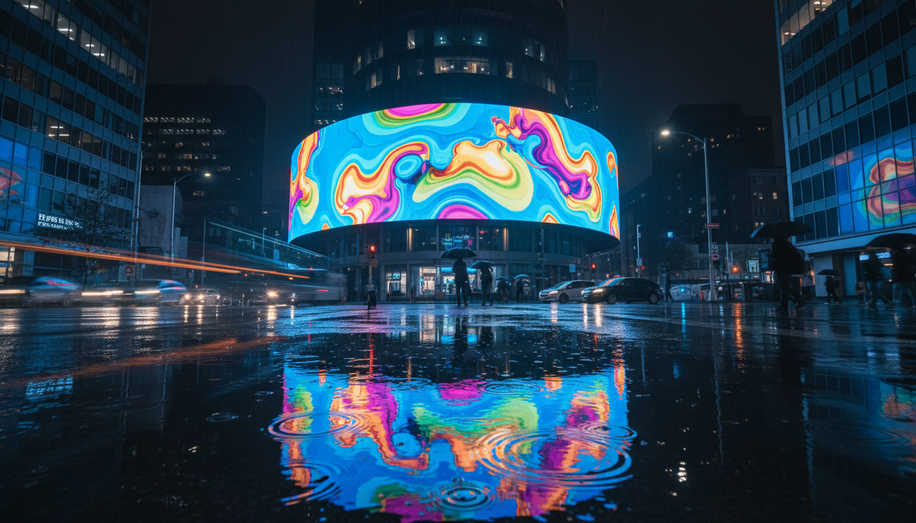

As the sun dips below the horizon, out-of-home (OOH) advertising faces its toughest test: vanishing into the shadows. Yet this nightly challenge presents a golden opportunity for brands to dominate the darkness, turning billboards, transit ads, and storefront displays into unmissable beacons that capture rush-hour commuters, nightlife revelers, and late-night drivers. Nighttime OOH demands more than bold visuals; it requires masterful integration of lighting techniques, smart material choices, and designs tailored to the after-dark audience, where fleeting glances from speeding vehicles or dimly lit sidewalks determine impact.
The core hurdle at night is visibility amid low ambient light, glare from oncoming headlights, and the fatigue of urban eyes bombarded by stimuli. Traditional non-illuminated signs fade into obscurity, but illuminated alternatives like LED systems flip the script, offering energy-efficient brilliance that boosts brand recall by up to tenfold in high-traffic zones such as shopping malls, entertainment districts, and highways. High-lumen LED output ensures legibility from afar, even in fog or rain, while their weather resistance keeps campaigns running 24/7 without downtime. For OOH specialists, this means prioritizing LED lighting as the gold standard—customizable for brightness, it slashes energy costs compared to older neon or halogen options and delivers even glow without hot spots that distort messaging.
Lighting techniques vary by format and location, each addressing specific nighttime pitfalls. Front lighting, using overhead or ground-level LED floodlights, bathes the entire sign face in uniform illumination, ideal for large billboards where drivers need split-second readability. This method counters shadows from nearby structures, a common urban foe. Backlighting, meanwhile, creates a dramatic halo effect around edges, enhancing depth and drawing eyes from peripheral vision—perfect for wall-mounted transit shelters or building wraps. Spotlights zero in on logos or calls-to-action, adding emphasis to intricate details that might otherwise blur under broad illumination, while floodlighting suits expansive banners with its wide coverage. For eco-conscious campaigns, solar-powered options provide low-maintenance glow, though they’re best for smaller displays in sunny locales.
Material selection amplifies these techniques, turning passive surfaces into active attractors. Reflective vinyls and paints bounce ambient light from streetlamps or headlights, proving invaluable in underlit areas like rural highways or side streets where dedicated power is scarce. Outlining lettering or borders with these elements creates a shimmering outline, visible without electricity and cost-effective for static OOH. Pairing reflectives with high-contrast substrates—bold whites or fluorescents against deep blacks—maximizes legibility; muted pastels wash out under artificial light, but vibrant contrasts cut through the night like a knife. Digital OOH takes this further: dynamic LED billboards with adjustable brightness and animations snag attention 30% more effectively than statics, allowing remote content swaps for timely promotions like midnight deals or event tie-ins. Yet regulations loom large—many cities ban flashing or excessive luminance to curb light pollution, mandating concealed wiring and dimmed outputs after hours.
Creative design must evolve for the nocturnal viewer, whose mindset shifts from daytime hustle to evening leisure or fatigue. Fonts demand simplicity: clean, sans-serif styles with ample kerning ensure quick parsing at 60 mph, ditching ornate scripts that tease in daylight but taunt in twilight. Hierarchy reigns—supersize the key message, subordinate details—and test under simulated night conditions to banish surprises. Audience psychographics matter too; nightlife crowds respond to pulsating energy via subtle motion graphics, while weary commuters crave clarity over clutter. Placement is paramount: elevate roadside billboards to driver eye-level, sidestep obstructions like trees, and leverage reflective surroundings for bonus glow. Backlit halos shine brightest near glossy facades, multiplying perceived impact.
Dynamic signage unlocks further opportunities, blending visibility with engagement. Rotating digital slideshows on LED billboards deliver multiple ads in prime slots, their movement mimicking the pulse of city life and etching brands into memory even post-curfew. Brightness auto-adjusts to conditions, averting glare overload that alienates viewers or violates dark-sky ordinances. Maintenance seals the deal—dusty panels dim by 50%, so quarterly cleans preserve punch. Brands ignoring this risk subliminal sabotage: a flickering sign whispers unreliability, eroding trust before the pitch lands.
Ultimately, nighttime OOH thrives on synergy—lighting ignites materials, design channels the spark, and strategy targets the moment. In an era of 24/7 connectivity, campaigns that own the dark don’t just advertise; they orchestrate the night’s narrative, driving foot traffic, recall, and ROI when competitors sleep. For publishers and planners, the message is clear: design for the dawn of dusk, and watch brands illuminate the path to dominance.
Platforms like Blindspot empower OOH publishers to master this nocturnal arena, utilizing location intelligence and audience analytics to pinpoint optimal placements and tailor designs for the specific after-dark viewer. Its programmatic DOOH management and real-time performance tracking ensure dynamic campaigns maintain optimal brightness and content relevance, transforming ads into unmissable beacons that drive measurable impact well into the night. https://seeblindspot.com/