
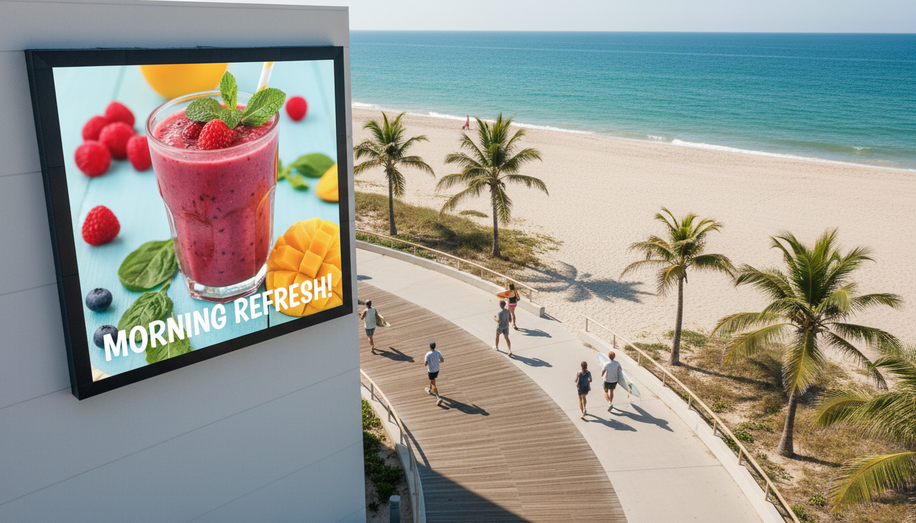

In the evolving landscape of out-of-home (OOH) advertising, where programmatic digital OOH (pDOOH) often steals the spotlight with its automation and real-time triggers, a return to fundamentals offers profound advantages. Dayparting—scheduling messages for specific times of day or days of the week—and contextual placement through manual site selection remain powerful tools for non-programmatic buys, delivering precision and relevance that algorithms alone cannot match. These strategies emphasize human insight into consumer rhythms, ensuring ads land when and where they resonate most deeply.
Dayparting taps into the natural cadence of daily life, aligning campaigns with moments of heightened intent and receptivity. Consider the commuter rush: morning hours brim with potential for breakfast promotions, gym incentives, or coffee deals as urban professionals fuel up for the day. Shift to midday, and lunch spots or flash sales capture decision-makers eyeing a break. Evenings then pivot to leisure, spotlighting cinema tickets, event invites, happy hours, or weekend barbecue gear. This temporal synchronization yields tangible gains; studies from Clear Channel reveal dayparted creatives achieve 20-35% higher engagement than static, all-day exposures, boosting recall and immediate action. Weekend-specific messaging further refines this approach, targeting relaxed browsers with family-oriented retail or travel deals when routines loosen.
The strategic edge lies in optimization, not assumption. Real-time footfall analytics pinpoint peak eyeball hours per site, guiding spend to high-traffic windows rather than blanket coverage. For a restaurant chain, this might mean intensifying loops from 11 a.m. to 2 p.m. near office districts, then dialing back to avoid off-peak waste. Retailers could throttle e-commerce prompts during weekday evenings when shoppers unwind online, mirroring habits seen in broader digital tactics but adapted for static OOH’s enduring presence. Industry examples abound: grocery brands hit early mornings with fresh produce pitches for meal planners, while automotive dealers favor prime-time slots for new model showcases to broad after-work audiences. Such timing enhances visibility during less competitive periods, amplifying impressions and conversions without inflating budgets.
Complementing dayparting, contextual placement demands meticulous manual curation of sites to immerse ads in the audience’s environment. Beyond programmatic geotargeting, this involves selecting billboards, transit wraps, or street furniture based on surrounding context—proximity to behaviors, landmarks, or demographics that mirror the target mindset. A fitness brand might handpick screens in gym-heavy neighborhoods during afternoon lulls, when post-work exercisers linger. Financial services could claim premium spots near business hubs in prime-time commuter flows, speaking directly to professionals pondering investments. Travel promoters, meanwhile, embed leisure pitches on late-night urban panels, enticing spontaneous planners with getaway offers.
Manual selection shines in its nuance, allowing planners to layer audience insights with on-the-ground realities. Home improvement ads thrive mid-morning near hardware stores, catching DIY enthusiasts in project mode, while health campaigns cluster around wellness districts during lunch hours. This isn’t guesswork; it draws from audience segmentation—young professionals at lunch breaks, parents in early mornings or weekends—ensuring sites align with distinct routines. For non-digital OOH, where flexibility is limited, contextual buys prevent dilution: a billboard opposite a stadium pulses with event tie-ins only on game days, or transit ads near malls surge with retail prompts on Saturdays.
Together, these tactics forge relevance in a cluttered medium. Dayparting curates the “when,” slashing wasted impressions by focusing on engaged moments, much like TV’s proven day-part strategies that blend demographics, habits, and competition for superior ROI. Contextual placement nails the “where,” embedding messages in lived contexts that amplify emotional pull. Non-programmatic execution keeps costs predictable, sidestepping auction volatility while leveraging vendor relationships for prime inventory.
Challenges persist—data gaps in footfall or shifting behaviors require ongoing testing, akin to refining slots across daytime, fringe, and primetime. Yet the payoff is clear: brands like Hisense have mirrored these principles digitally, slashing CPC by 18% and spiking ROAS 227% through hour-specific focus, a blueprint transferable to traditional OOH. For agencies pitching summer wins or evergreen campaigns, blending dayparted schedules with contextually astute sites crafts narratives that feel intuitive, not intrusive.
Ultimately, in an era dominated by programmatic dazzle, mastering manual dayparting and contextual placement reaffirms OOH’s core strength: physical omnipresence timed to human moments. Planners who invest in this disciplined craft don’t just buy space—they orchestrate encounters that drive loyalty, foot traffic, and sales, proving strategy trumps speed every time.