
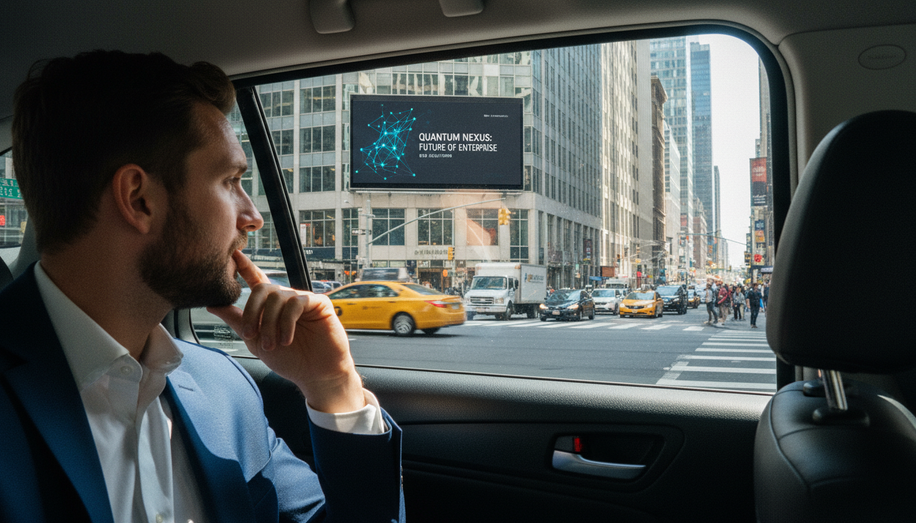

In the high-stakes world of B2B marketing, where decision-makers juggle packed schedules and endless digital noise, out-of-home (OOH) advertising is staging a quiet revolution. Far from the consumer-focused billboards of yesteryear, B2B brands are deploying strategic outdoor placements to cut through the clutter, targeting executives on the move and building unshakeable authority. Recent data reveals that 33 percent of B2B audiences actively research an advertiser after spotting an OOH ad, with nearly a quarter heading straight to the company website and 15 percent checking social media pages. This isn’t fleeting exposure—it’s a calculated strike at awareness and leads.
The appeal lies in OOH’s unfiltered reach. Unlike targeted digital ads that can be scrolled past or blocked, outdoor media commands attention in real-world contexts: highways choked with commuting C-suite traffic, urban business districts buzzing with lunch-hour footfall, or transit hubs where professionals linger. Nielsen’s research underscores this potency, showing how geoanalytics tools like GeoCMV Explorer allow marketers to pinpoint audience concentrations based on attitudes, behaviors, and purchase intent, refining placements for maximum precision. A B2B software firm, for instance, might wrap vehicles navigating financial districts or erect digital billboards near convention centers, ensuring messages land where decision-makers dwell.
ROI figures paint an even more compelling picture. For every dollar invested in billboards, brands reap an average $6 return, with some campaigns hitting 497 percent ROI according to the Out of Home Advertising Association of America (OAAA). When layered with mobile campaigns, OOH amplifies returns by up to 316 percent. B2B marketers, often skeptical of “vanity metrics,” appreciate these tangibles: QR codes driving landing page traffic, promo code redemptions, and hashtag surges signaling engagement. Cash App’s activation at the U.S. Grand Prix exemplifies this, blending billboards, murals, and wild postings in high-dwell Austin spots to generate 15.5 million impressions in a month—priming conversions among a qualified audience.
Yet effectiveness hinges on execution, particularly in a medium where viewers grant just two seconds of attention. A global study by System1 and JCDecaux tested 150 OOH campaigns across seven markets, finding that three in five ads flop due to poor brand recall or weak emotional pull. In B2B, where trust is paramount, instant branding is non-negotiable: bold logos, crisp taglines, and authority cues like “Trusted by Fortune 500” must dominate. High-performing ads—those scoring four or five stars—deliver double the commercial impact, three times stronger brand sentiment, and nearly three times better message recall. For lead generation, dynamic digital OOH (DOOH) elevates this further, with weather-responsive or time-based messaging boosting effectiveness by 48 percent over static formats. Imagine a cybersecurity firm displaying “Cyber Threats Spike in Rainy Weather—Secure Now” on a stormy-day digital board near tech offices, prompting 51 percent of viewers to note directions or act.
B2B brands are mastering placement to target decision-makers precisely. Financial services giants position near stock exchanges, logistics providers along industrial corridors, and SaaS companies at airports serving frequent flyers. This geo-targeting builds authority through repetition: repeated exposures foster familiarity, sparking curiosity that lingers into boardroom discussions. Nielsen data from Australia, where OOH spend hit $1 billion in 2018, confirms audiences beyond basic demographics respond, with tools revealing socioeconomic and attitudinal insights for sharper planning.
Creative innovation seals the deal. Vehicle wraps outshine traditional formats, with 64 percent of surveyed viewers noticing them in a single month—more than double other OOH options. B2B campaigns leverage this for narrative depth: a sequence of billboards telling a problem-solution story as commuters inch along freeways, or experiential tie-ins like branded charging stations in co-working hotspots. The result? Not just awareness, but pipeline fuel. Post-exposure actions—website visits, content downloads—translate to qualified leads, with OOH’s low CPM of $2 to $7 making it a budget-friendly powerhouse amid rising digital costs.
Challenges persist, of course. Measuring intangible lift, like shifted perceptions among procurement teams, demands sophisticated attribution blending organic tracking with paid tools. And in a fragmented media landscape, integration is key: OOH primes digital funnels, where a billboard glimpse prompts later LinkedIn searches or webinar sign-ups. Still, as urbanization swells and targeting tech advances, OOH’s global market grows steadily.
For B2B leaders, the verdict is clear: outdoor media isn’t a relic—it’s a strategic lever for commanding attention, forging authority, and harvesting leads. In an era of ad fatigue, its physical presence delivers what pixels can’t: undeniable impact on the influencers who matter most. Platforms like Blindspot specifically empower B2B marketers to master this complexity, offering precise location intelligence and audience analytics to ensure campaigns land with surgical accuracy. By enabling real-time performance tracking and robust ROI measurement, Blindspot transforms OOH from a perceived “intangible lift” into a fully optimized, lead-generating powerhouse. Discover the capabilities at https://seeblindspot.com/