

In the dynamic world of out-of-home (OOH) advertising, where towering billboards and street-level displays capture millions of eyes daily, compliance with a patchwork of regulations is non-negotiable. Navigating local zoning laws, state permitting requirements, advertising standards, and intellectual property protections demands vigilance from agencies and brands alike, as violations can lead to costly fines, sign removals, or legal battles that derail campaigns. For OOH professionals, understanding these rules ensures not just legal safety but also ethical campaigns that respect community standards and public trust.
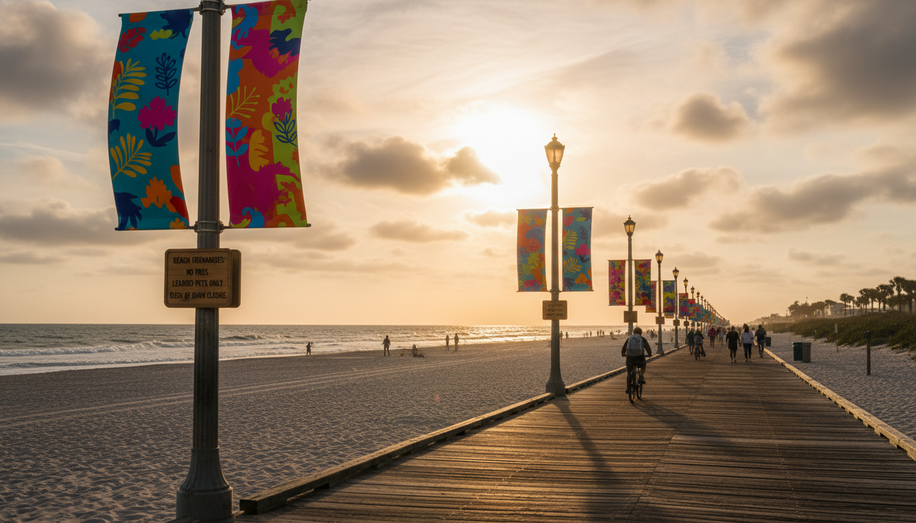
Local zoning laws form the foundational layer of OOH regulation, varying dramatically by municipality and often dictating sign size, placement, illumination, and even duration. In Springfield, Massachusetts, for instance, no sign may be erected within five feet of the right-of-way or street line without a license from the Department of Public Works, underscoring how proximity to public infrastructure triggers strict oversight. Display areas are capped—wall signs in shopping centers with footprints under 100,000 square feet cannot exceed 150 square feet, while directory signs in business districts are limited to two square feet per occupant, up to 24 square feet total, and must remain unilluminated in certain zones. Temporary signs like banners or posters are permitted but cannot remain in place or be replaced for more than 60 days, preventing them from morphing into de facto permanent fixtures. These rules reflect broader municipal efforts to balance commercial expression with aesthetic and safety concerns, as seen in approaches where cities require signage site plans or design review approvals before installation.
State-level oversight adds another critical dimension, particularly for off-premise advertising—signs promoting businesses not located on the property. In Massachusetts, the Outdoor Advertising Board, empowered under General Laws Chapter 93, Section 29, crafts rules for billboards and signs visible from highways, public parks, or reservations. These regulations mandate placement in business, commercial, or industrial zones, with prescribed standards for size, setback, and clearance to safeguard public interest. No permit issues without 30 days’ prior notice to the local city or town, allowing communities to object and ensuring transparency. The Massachusetts Department of Transportation (MassDOT) enforces this through 700 CMR 3.00, requiring licenses for anyone engaging in outdoor advertising, complete with applications detailing dimensions, materials, location, and proof of liability insurance. Off-premise signs demand MassDOT permits, while even on-premise signs advertising the onsite business may need local zoning nods depending on features like electronic displays, which face brightness and message-change restrictions.
Permitting processes are rigorous and multi-step, blending state and local mandates. Applicants must submit detailed plans compliant with building codes like 780 CMR 14.00 for exterior walls, alongside fees scaled to administrative costs—not always uniform across the state. Exemptions exist for certain on-premise uses or temporary displays, but electronic or vehicle-mounted signs for advertising purposes are outright prohibited without special approval. Failure to secure these—such as neglecting maintenance or required business licenses—invites enforcement actions, including sign removal. Municipalities like those in the Metro Boston area have leveraged caselaw to ban off-premise signs outright while regulating on-premise ones as accessory uses, a distinction upheld in courts like National Advertising Co. v. City of Denver.
Beyond structural rules, advertising standards govern content to prevent deception, obscenity, or public harm. While specifics evolve, ethical OOH practitioners adhere to self-regulatory codes from bodies like the Outdoor Advertising Association of America, avoiding misleading claims or excessive messaging that could distract drivers. In practice, this means scrutinizing creative for compliance before production, as regulators increasingly target dynamic digital signs for rapid content shifts that might impair road safety.
Intellectual property (IP) considerations loom large in OOH, where high-visibility displays amplify infringement risks. Using unlicensed images, trademarks, or music snippets without permission invites lawsuits from rights holders, with remedies including injunctions halting campaigns and damages far exceeding production costs. Brands must verify clearances for all elements—logos, celebrity likenesses, or branded characters—often through rights management firms. Ethical lapses, like cultural insensitivity in diverse urban markets, compound legal woes with reputational damage, prompting calls for inclusive vetting processes.
Other legal challenges include environmental impacts, accessibility mandates under the Americans with Disabilities Act, and emerging digital privacy rules for interactive OOH. Transit ads on buses or shelters fall under additional authority, like MassDOT for highways, while historic districts impose aesthetic reviews. Non-compliance rates remain high; a single unpermitted billboard can accrue daily fines, as seen in enforcement by MassDOT’s Office of Outdoor Advertising.
To execute compliant, ethical campaigns, OOH teams should start with site-specific audits: consult zoning maps, file pre-applications for feedback, and engage legal counsel versed in 700 CMR and local ordinances. Partnering with licensed operators who maintain annual renewals and insurance streamlines this. Tools like digital permitting portals accelerate approvals, but human diligence—reviewing copy for IP and ethics—seals the deal. In an era of heightened scrutiny, proactive navigation turns regulatory hurdles into opportunities for trusted, standout advertising that endures.