
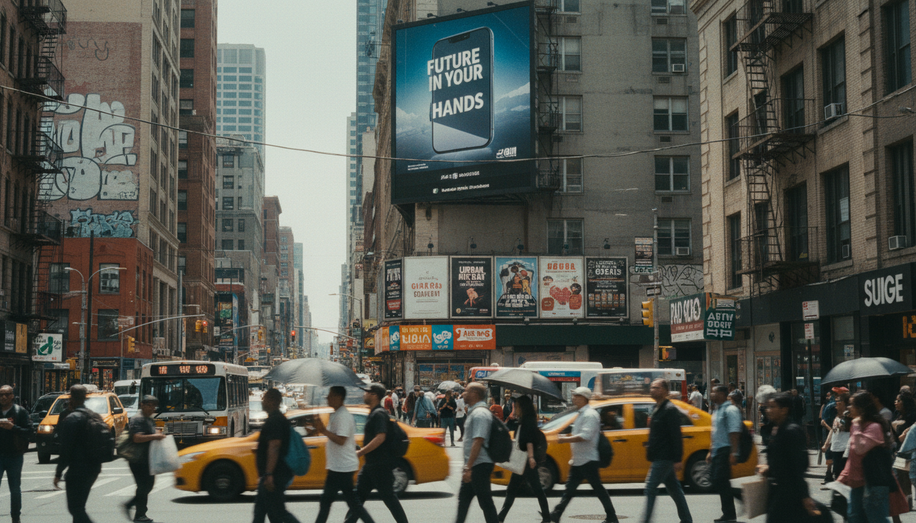

In the sprawling arena of out-of-home (OOH) advertising, where billboards command attention from highways and urban thoroughfares alike, a labyrinth of regulations dictates every placement and pixel. At the federal level, the Highway Beautification Act (HBA) of 1965 stands as the cornerstone, mandating states to exercise “effective control” over outdoor signs along roughly 306,000 miles of Interstate, Federal-aid Primary, and National Highway System (NHS) roads. Enacted under President Lyndon B. Johnson, this law sought to curb billboard proliferation to preserve scenic beauty and enhance highway safety, imposing strict limits on sign size, location, lighting, and content while tying state compliance to federal highway funding.
The HBA’s reach extends 660 feet from the right-of-way edge on these controlled routes, prohibiting signs in unzoned rural, scenic, or agricultural areas unless they meet precise criteria. Maximum dimensions cap signs at 25 feet high, 60 feet long, and 1,200 square feet in total area, with no flashing or moving lights permitted to avoid driver distraction. Obscene or violent content is outright banned, and states must enforce vegetation control to keep views unobstructed while fostering public input in decisions. Amendments like those in MAP-21 expanded the NHS, adding roadways and reinforcing state responsibilities for oversight. Yet, the act permits billboards in commercial and industrial zones, requires just compensation for removals, and even allows sponsorship acknowledgments at rest areas under strict safety guidelines.
This federal framework cascades down to state and local layers, creating a patchwork that demands meticulous navigation. States hold primary enforcement power, often through departments of transportation like California’s Caltrans, which mirrors HBA size limits but adds spacing rules—500 feet minimum between billboards—and bans dynamic lighting. Wyoming, for instance, permits stricter local ordinances in cities and counties, illustrating how states delegate authority while maintaining baseline compliance. Across the U.S., most jurisdictions favor regulation over outright bans; a study of 215 cities found the majority allow new billboards with permits and fees to offset administrative costs.
Local rules amplify this complexity, zoning OOH media to safeguard aesthetics, safety, and community character. Municipalities dictate maximum sizes for billboards, posters, and digital displays, positioning them away from roadsides, buildings, or historic sites to curb visual clutter. Transit corridors, scenic byways like the Blue Ridge Parkway or Pacific Coast Highway, and areas near schools, churches, or residential zones often face moratoriums on new installations—or even repairs to existing ones—as a phased approach to reduction. Some cities impose height restrictions or illumination curfews, while others scrutinize content for tobacco, alcohol, or political messaging, reflecting broader public health and electoral concerns.
Permitting processes form the practical gateway, varying wildly by locale. Advertisers typically submit applications detailing sign specs, site plans, and zoning conformance to city planning departments or state DOTs, enduring reviews that can span weeks or months. Fees cover inspections, and denials often hinge on setback distances, traffic impact analyses, or environmental reviews. Digital OOH introduces fresh hurdles: rapid content changes trigger “changeable message” classifications under HBA, with dwell times and transition speeds regulated to mimic static signs. Noncompliance risks fines, forced removals, or withheld federal funds for states, underscoring the stakes.
For OOH campaigns to thrive, collaboration is essential. Media owners and agencies must scout compliant inventory early, leveraging tools like state OOH permit databases or consultants versed in Federal Highway Administration (FHWA) guidelines under 23 CFR Part 750. Preemptive zoning checks via geographic information systems (GIS) mapping reveal restricted zones, while legal counsel dissects nuances—like sponsor logos on rest areas or information displays in rights-of-way. As urban density rises and digital innovations accelerate, regulators adapt; recent FHWA policies address evolving NHS routes, ensuring controls keep pace.
Navigating this regulatory web rewards diligence. Savvy operators build buffers into timelines, audit vendor compliance, and engage stakeholders—from local councils to advocacy groups like the Outdoor Advertising Association of America (OAAA)—to preempt challenges. In a medium prized for its immediacy and reach, ignoring these rules invites costly halts; mastering them unlocks enduring visibility. Amid ongoing debates over digital proliferation and first amendment protections, the landscape evolves, but the core imperative remains: informed placement preserves both profitability and public trust.