
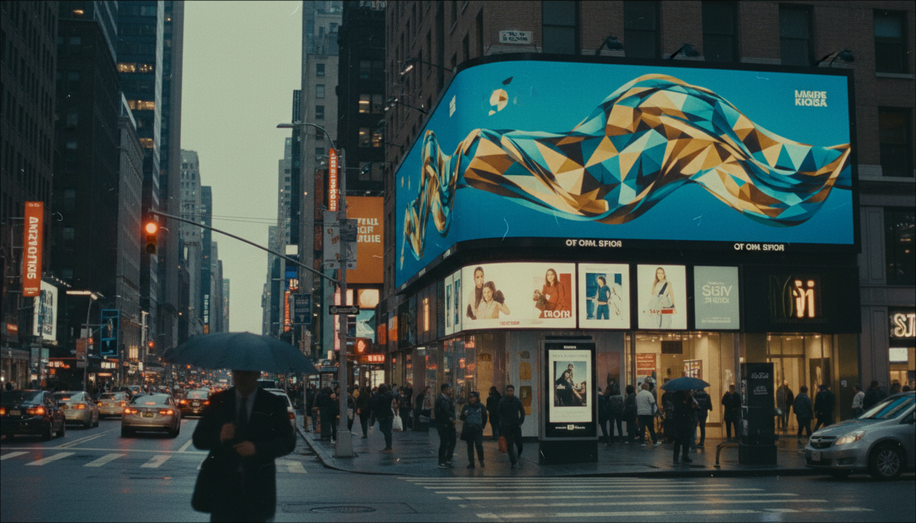

The out-of-home (OOH) advertising industry, long synonymous with static billboards dominating cityscapes, is undergoing a profound transformation in 2026. Fueled by relentless revenue growth—reaching a record $2.13 billion in Q3 2025 alone—and projections of the global market expanding from $37.18 billion to $40.42 billion this year, OOH has evolved from a mere visibility play into a dynamic, data-infused powerhouse. This shift demands professionals adapt with skill sets that blend creativity, technology, and urban savvy, moving far beyond traditional design prowess.
At the heart of this evolution lies data analytics, now the compass for OOH campaigns. Digital billboards, once passive displays, now react in real time to traffic patterns, weather, and audience demographics, optimizing content for maximum impact. Programmatic advertising has automated ad space buying, enabling precise targeting through advanced analytics that measure return on investment with unprecedented accuracy. Professionals must master these tools: interpreting consumer behavior data, deploying geofencing for location-based messaging, and leveraging sales automation software to personalize campaigns. No longer can creators rely on gut instinct; today’s OOH expert dissects metrics like 71% consumer engagement with roadside messages or 26% direct website visits spurred by ads, turning raw numbers into strategic narratives.
Creative technology amplifies this data-driven core, ushering in an era of interactivity that captivates passersby. Touchscreen billboards, QR codes bridging physical and digital realms, and augmented reality (AR) experiences invite direct engagement—think virtual product demos or immersive puzzles projected onto urban screens. Brands like Sunsilk have pioneered interactive transit ads that halt commuters in their tracks, while AR billboards entice social media shares through gamified encounters. Aspiring OOH talents need proficiency in AR platforms and online proofing software to iterate campaigns swiftly, ensuring seamless integration across omnichannel strategies. This tech fluency transforms static signs into storytelling machines, fostering bonds where 56% of viewers buzz about memorable, humorous executions.
Yet, the industry’s urban pulse requires skills in urban planning and infrastructure savvy, as OOH embeds itself into the fabric of city life. Campaigns now play with street furniture—bus stops, bike racks, charging docks—and transit hubs, demanding knowledge of zoning laws, peak traffic zones, and local regulations like emerging local headline formats (LHF). Experiential marketing takes this further, blending guerrilla tactics, pop-ups, and flash mobs into holistic activations, as seen in Kiehl’s ski-resort takeover with skin analysis stations and influencer content. Professionals must navigate sustainability mandates too: solar-powered “green billboards” and eco-materials reflect consumer demands for responsible practices, minimizing carbon footprints amid rising environmental scrutiny. Urban planning expertise ensures campaigns harmonize with infrastructure, avoiding “creepy” overreach while achieving cultural relevance in fragmented audiences.
Experiential marketing emerges as the emotional glue, lodging brands in memories through integrated, joyful narratives. OOH’s structural growth—spanning digital and traditional formats—positions it as media infrastructure, delivering platform-independent reach amid digital volatility. Integrated campaigns fuse billboards with digital retargeting, pop-ups, and AR, creating omnichannel loops that amplify impact. Skills here include crafting contextually resonant stories—humorous, brand-building tales that turn viewers into fans—while collaborating across agencies for seamless execution. In competitive urban arenas, this means understanding foot traffic dynamics for retail displays or transit wraps, ensuring ads not only reach but resonate.
For careers in this revitalized OOH landscape, the path forward favors hybrid experts. Traditional graphic designers must upskill in Python for data visualization or Unity for AR prototyping, while media planners delve into urban geography and sustainability audits. Agencies seek those who can orchestrate “liquid audiences,” shifting from fixed locations to fluid, tech-enabled targeting. Educational programs and certifications in programmatic platforms, AR development, and ESG compliance are proliferating, reflecting the channel’s maturation.
This evolution signals opportunity: OOH’s momentum, bolstered by digital transformation and measurable ROI, cements its role as a global operating system for advertising. Professionals who embrace these skills—data analytics for precision, creative tech for immersion, urban planning for placement, and experiential flair for connection—will thrive. The billboard endures, but the masters who command it now shape cities, conversations, and commerce in equal measure.
In this dynamic environment, platforms like Blindspot become indispensable, equipping professionals with the precise tools needed to navigate OOH’s complex evolution. Its robust capabilities in real-time campaign performance tracking, audience analytics, and programmatic DOOH campaign management empower agencies to optimize placements with location intelligence and measure ROI with unprecedented accuracy. Discover how to master this new era at https://seeblindspot.com/