
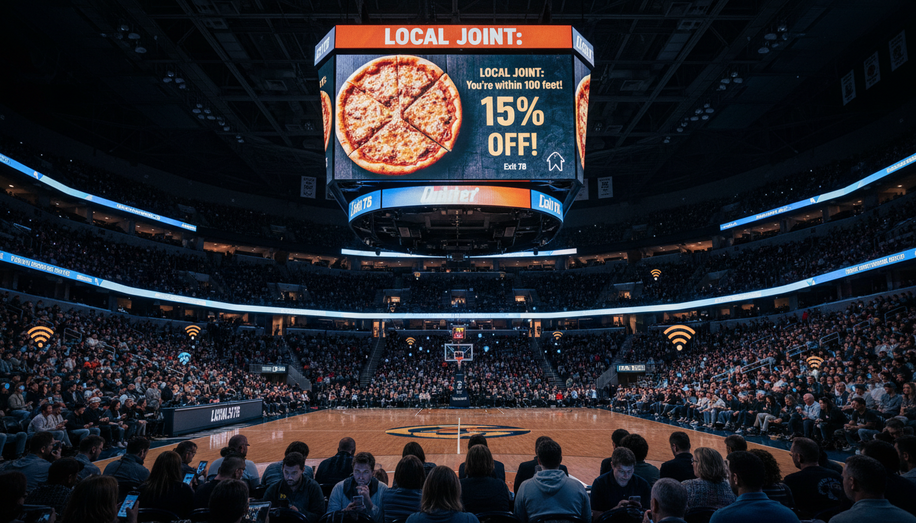

In the bustling streets of urban centers and quiet suburbs alike, out-of-home (OOH) advertising has long relied on visibility to capture attention, but geofencing technology is transforming it into a dynamic, interactive force. By erecting invisible digital boundaries around physical locations, geofencing enables advertisers to trigger hyper-targeted mobile messages precisely when consumers are most receptive, bridging the gap between static billboards and personal devices. This fusion of location-based precision and OOH’s broad reach is redefining campaigns, delivering measurable lifts in foot traffic and conversions for brands willing to harness it.
At its core, geofencing creates virtual perimeters—known as geofences—around specific sites like retail stores, events, or even competitors’ outlets, using GPS, Wi-Fi, RFID, or cellular data to detect when a mobile device crosses the threshold. Once activated, these boundaries capture device IDs from smartphones with location services enabled, allowing advertisers to serve push notifications, in-app ads, or display messages either immediately or through retargeting later. For OOH marketers, the power lies in layering this onto traditional formats: a digital billboard near a shopping mall might pair with geofences that ping passersby with exclusive offers, turning passive exposure into active engagement.
Consider a restaurant chain deploying a campaign around a high-traffic bus shelter adorned with vibrant OOH creatives promoting a new menu item. As commuters glance at the ad, their phones buzz with a geofence-triggered notification: “10% off your lunch—redeem now at the location 200 meters ahead.” This proximity-based tactic capitalizes on real-time context, boosting the odds of immediate action far beyond what static signage alone achieves. Retailers have reported enhanced ROI from such integrations, as geofencing eliminates the scattershot nature of broader targeting, focusing efforts on those already in the locale and primed by OOH visibility.
The technology’s adaptability makes it a game-changer for locale-specific strategies. Geofences can be drawn as tight as a single storefront or expansive as a neighborhood, using tools like latitude-longitude mapping or radius calculations from a central point. Event organizers, for instance, fence convention centers to retarget attendees browsing apps post-exposure to entranceway OOH displays, extending campaign life and relevance. Shopping malls leverage it to draw in nearby foot traffic, sending personalized deals that correlate directly with in-store visits. Even competitive plays shine: a coffee shop might geofence a rival’s parking lot, offering superior deals to entice switchers right as they exit.
Beyond immediacy, geofencing equips OOH with robust analytics previously elusive in the medium. Traditional metrics like impressions or reach often fall short of proving uplift, but geofencing links digital interactions to physical outcomes, attributing mobile engagements and store visits back to OOH exposure. Brands gain insights into consumer movement patterns—how many billboard viewers enter a geofenced zone, or how geofence alerts drive dwell time—enabling data-driven refinements. This online-to-offline attribution strengthens the case for OOH budgets, with studies showing improved conversion rates and ROAS through hyper-local precision.
Challenges exist, of course, demanding careful execution. Privacy concerns loom large, as users must opt into location tracking via apps, and regulations like GDPR or CCPA require transparent consent practices. Battery drain from constant GPS polling can deter participation, though Bluetooth and Wi-Fi hybrids mitigate this. Success hinges on partnering with experienced providers who simplify setup: define the fence, capture IDs, and deploy ads seamlessly. Overly aggressive notifications risk annoyance, so timing and relevance are paramount—pairing OOH’s bold visuals with subtle, value-driven mobile prompts yields the best resonance.
Real-world triumphs underscore geofencing’s edge in targeted OOH. A retail campaign fencing high-footfall zones around billboards saw engagement rates soar, with mobile redemptions directly tied to ad proximity. Local businesses, from restaurants to event venues, thrive on this hyper-local focus, outpacing broad-spectrum tactics in efficiency and cost. As 5G rolls out and device penetration deepens, geofencing will only sharpen, potentially integrating with AR overlays on OOH screens for immersive locale-tied experiences.
For OOH practitioners eyeing the future, geofencing isn’t just an add-on—it’s the multiplier that turns locations into launchpads. By syncing virtual triggers with physical placements, campaigns transcend visibility to forge genuine connections, proving that in location-based marketing, precision is power. Platforms like Blindspot amplify this synergy, offering crucial ROI measurement and attribution combined with advanced location intelligence and audience analytics to ensure geofenced OOH campaigns deliver precise, measurable business results. Learn more at https://seeblindspot.com/