

In the bustling arteries of urban life, where millions of commuters weave through subways, buses, and trains each day, out-of-home (OOH) advertising finds its most captive audience. Transit systems offer advertisers a unparalleled opportunity to deliver messages with precision and persistence, capitalizing on the predictable rhythms of daily travel. With 62% of U.S. jobs situated within a half-mile of transit stops, these environments position brands directly in the path of engaged urbanites, from early-morning rush-hour crowds to evening returnees. As cities rebound from past disruptions, transit OOH has emerged as a cornerstone for rebuilding visibility and connection, blending mobility with messaging to drive awareness and action.
Bus advertising stands out as a powerhouse for reaching commuters on the move. Full vehicle wraps, exterior posters, and interior cards transform buses into rolling billboards that traverse neighborhoods, exposing ads not only to riders but also to pedestrians, cyclists, and drivers along busy routes. The extended dwell time—commutes often stretching from minutes to hours—allows for repeated views, fostering deeper recall. In high-density areas, this mobility amplifies reach exponentially; a single bus can generate impressions across diverse demographics throughout the day, making it ideal for brands seeking broad exposure without the silos of digital targeting. For local businesses, selecting specific routes enables hyper-local targeting, such as promoting a coffee chain near office districts or retail deals in residential zones.
Subways and trains elevate this strategy with their enclosed, high-traffic settings. Interior posters, digital screens, branded cars, and platform wraps capture attention during those inevitable waits and rides, where commuters are literally a captive audience. Operating in corridors of intense footfall, these ads benefit from prolonged exposure, with riders often spending 20 minutes or more per trip absorbing content. Digital formats add dynamism: screens can rotate messages based on time of day, weather, or even traffic updates, delivering relevance that static ads can’t match. In cities like New York, subway and rail placements extend visibility to waiting commuters and passing pedestrians, creating layered impressions in transit hubs that double as social and commercial gathering points.
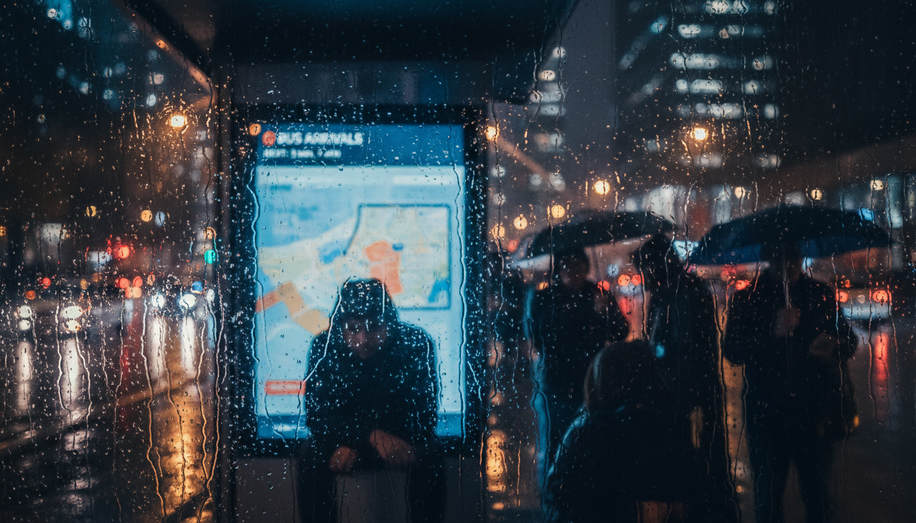
Transit stations and shelters provide the sweet spot of intermediate dwell times, typically a few minutes of undivided attention as riders pause before boarding. Static walls, digital displays, or full “domination” takeovers—where a single brand claims all available space—command focus in these high-visibility nodes. Bus shelters, in particular, shine for their 24/7 presence and low cost per thousand impressions; a 2022 study pegged their median CPM at just $2.18, the lowest among major media. Positioned in shopping districts and business centers, these spots snag non-riders too, turning everyday thoroughfares into ad vistas. Taxis and rideshares complement this with their street-level agility: vehicle toppers, wraps, and in-car screens zip through traffic, visible to everyone from sidewalks to crosswalks.
What makes these strategies sing for urban commuters is their blend of consistency, adaptability, and extension beyond riders alone. Fixed routes ensure repeated exposure—think the same commuter glimpsing your ad morning and evening—building frequency that rivals social media scrolls but without skips or algorithms. Digital OOH introduces interactivity: QR codes invite scans for deals or info, bridging physical and digital worlds mid-journey. Geographic precision shines here; ads on neighborhood-specific lines can incorporate local languages, events, or cultural nods, forging community ties that feel personal rather than intrusive.
Cost-effectiveness seals the deal. Tailoring campaigns to peak hours or routes optimizes spend, yielding strong ROI through sheer scale—hundreds of daily viewers per placement in populated hubs. Unlike fleeting online ads, transit OOH demands attention; you can’t unsee a vibrant wrap hurtling past or a glowing screen in a dim platform. This inescapability pairs powerfully with multi-channel boosts: layer in radio spots heard en route or social retargeting, and retention soars as the brand permeates the commute.
Challenges exist, of course—regulatory hurdles in some cities or measuring exact attributions—but advancements like Geopath metrics for exterior placements are closing the gap, quantifying reach against benchmarks. Forward-thinking agencies track performance in real-time, tweaking for maximum impact. For brands eyeing urban growth, transit OOH isn’t just effective; it’s essential. In an era of hybrid work and renewed city vitality, these strategies turn transit from mere transport into a launchpad for lasting impressions, proving that the best way to move audiences is to meet them where they’re going.
For brands seeking to navigate this dynamic landscape and truly harness the power of transit OOH, platforms like Blindspot offer crucial advantages in precision and accountability. By enabling real-time campaign performance tracking, advanced audience measurement, and intelligent site selection, Blindspot empowers advertisers to optimize their strategy, prove ROI, and ensure every impression contributes to tangible growth in the bustling urban environment. https://seeblindspot.com/