
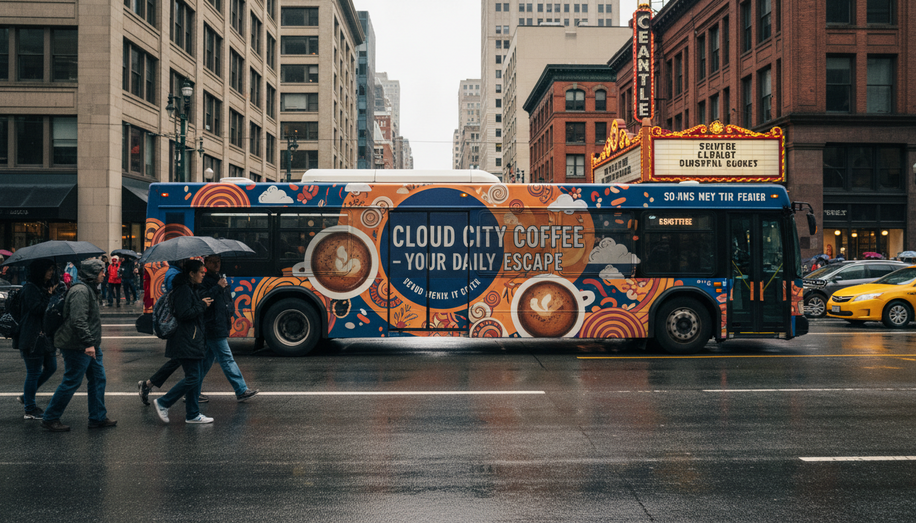

Transit advertising has emerged as one of the most effective and affordable ways for brands to gain visibility in busy urban environments, making it an increasingly popular choice for businesses looking to strengthen their presence in specific geographic areas. Unlike traditional media channels that require active consumer engagement, transit advertising delivers consistent exposure to commuters, pedestrians, and travelers throughout the day, creating repeated touchpoints that build brand recall and awareness.
The effectiveness of transit advertising lies in its ability to reach audiences during their daily routines. Buses, trains, and taxis operate on predictable routes through high-traffic areas, ensuring that advertisements receive maximum exposure among diverse demographics. Research shows that transit ads can generate more than 25 million impressions annually in major metropolitan areas, with transit advertising reaching 94% of the target audience every week. Moreover, transit ads achieve an average of 22 hours of visibility per day, creating a relentless presence that keeps brand messages at the forefront of consumer consciousness.
For local businesses specifically, transit advertising offers unparalleled geographic targeting capabilities. By placing ads on specific transit routes within neighborhoods or selecting particular transit shelters and benches, businesses can reach their exact target audience during commute times. This hyperlocal approach enables brands to tailor messaging to resonate with community interests and needs, and advertisers can even leverage creatives in different languages depending on neighborhoods, ensuring cultural relevance and accessibility. According to research, 77% of consumers have learned about new products or services from transit advertising in their local market, demonstrating the effectiveness of this localized strategy.
The cost-effectiveness of transit advertising represents another compelling advantage for budget-conscious brands. A 2022 Solomon Partners study found that transit shelters had the lowest estimated median cost per thousand impressions among all surveyed media options, at just $2.18 per 1,000 impressions. Transit advertising typically costs less than radio, television, or print media, while offering significantly greater exposure and longer-lasting impact. This favorable cost structure means that local businesses can achieve extensive brand awareness without the substantial investment required by traditional advertising channels. Additionally, campaigns are scalable, ranging from targeting a few specific stops or neighborhoods to citywide programs, allowing businesses to adjust their spending according to their goals and budget constraints.
The duration of transit advertising campaigns also contributes to their effectiveness. Buses typically operate 10 to 12 hours daily, with some running as long as 18 to 20 hours, meaning ads circulate continuously throughout local areas and generate repeated daily impressions. A minimum campaign duration of three to six months is recommended to maximize impact, as the repetitive nature of commuting patterns ensures that the same audiences encounter the ads multiple times. This extended exposure helps imprint brand messages on regular commuters while also capturing the attention of tourists and occasional travelers who are highly attuned to their surroundings.
The versatility of transit advertising formats further enhances its appeal. From full bus wraps and subway posters to digital displays and in-car messaging targeting rail commuters, brands can select formats that align with their creative vision and marketing objectives. This flexibility allows businesses to experiment with different messaging strategies and optimize their campaigns based on performance and audience response.
Integrating artistic and cultural elements into transit advertising can deepen connections with local communities and strengthen brand loyalty. Research indicates that transit advertising reflecting local culture and values is more likely to be remembered positively by consumers, creating emotional connections that transcend typical advertising relationships. By celebrating local events, services, or cultural themes, brands can position themselves as community-engaged businesses rather than distant corporations.
As cities continue to recover and rebuild in the post-pandemic era, transit advertising plays a vital role in reviving major urban areas while helping brands establish strong local presences. For businesses seeking to maximize visibility and engagement in specific geographic markets, transit advertising offers a proven, affordable, and flexible solution that delivers measurable results.
As transit advertising continues to prove its value in urban revival and brand building, platforms like Blindspot empower businesses to optimize their strategies for maximum impact. By offering precise location intelligence for site selection and real-time campaign performance tracking, Blindspot enables brands to hone their geographic targeting and achieve demonstrable ROI from their transit campaigns. Explore how Blindspot can elevate your out-of-home advertising at https://seeblindspot.com/