
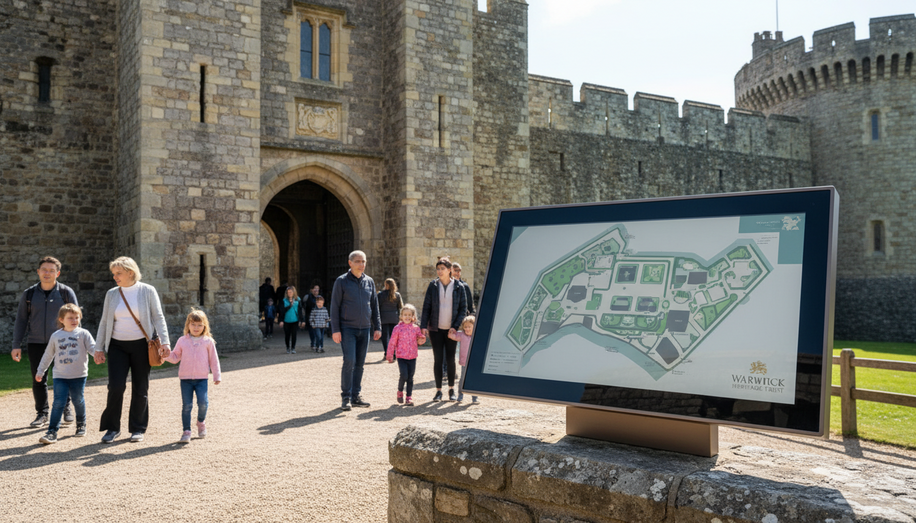

In an era where historic sites grapple with funding shortages and fading relevance amid digital distractions, out-of-home (OOH) advertising offers a symbiotic lifeline. Brands partnering with these cultural treasures can craft campaigns that not only amplify their message but also infuse landmarks with fresh vitality, all while honoring architectural integrity and historical narratives. The Sydney Opera House’s 2013 collaboration with Samsung exemplifies this potential: user-submitted images were projected onto its iconic sails at night, transforming the structure into a luminous canvas that celebrated Australian identity without altering its form. Such initiatives demonstrate how OOH can respect heritage while driving engagement, turning passive monuments into dynamic storytelling platforms.
This model scales beyond modern icons to ancient wonders. Imagine a luxury watchmaker teaming with the Roman Colosseum for a limited-time projection mapping campaign. Delicate animations of gladiatorial timepieces—crafted to evoke the arena’s era—could illuminate the weathered stone during evening hours, syncing with guided tours that highlight the brand’s precision engineering parallels to Roman aqueduct ingenuity. The visuals would fade at dawn, preserving the site’s UNESCO-protected authenticity while drawing nighttime crowds. Historic sites gain revenue from licensing fees, and brands secure premium visibility in a location immune to ad fatigue. Similar to McDonald’s smog-absorbing billboards in 2018, which improved urban air quality near placements, these projections could incorporate eco-friendly LED technology to underscore sustainability commitments.
Transportation hubs embedded in history provide another fertile ground. Along Boston’s Freedom Trail, a coffee brand could wrap vintage-style street furniture and horse-drawn carriage replicas with subtle, era-appropriate messaging: “Fuel your revolution—one brew at a time.” The designs would mimic 18th-century broadsheets, using biodegradable wraps that weather naturally over months, blending seamlessly with cobblestone paths. This respects the trail’s Revolutionary War legacy while guiding tourists to nearby cafés. Echoing Specsavers’ “Wrong City” airport billboards that playfully redirected travelers, the campaign could include QR codes linking to augmented reality (AR) experiences, where users scan markers to “witness” historical figures sipping modern lattes—an interactive nod to heritage without physical intrusion.
For coastal landmarks like the Cliffs of Dover, a sustainable fashion label might deploy floating OOH vessels or sea-facing digital screens. Billboards on eco-powered boats would display garments woven from recycled ocean plastics, with real-time data overlays showing cleanup stats tied to sales. White cliffs framing apparel silhouettes evoke wartime resilience, aligning brand ethos with the site’s symbolic role in British lore. This mirrors British Airways’ interactive Heathrow billboards, which tracked planes to create immersive narratives, but grounds it in environmental stewardship to enhance rather rather than overshadow the natural monument. Revenue-sharing models ensure sites fund conservation, much like Spotify’s city-center stats-driven ads that boosted cultural buzz without permanence.
Urban museums offer intimate collaboration opportunities. The Brooklyn Museum’s 200th anniversary animated OOH displays rotated historical artworks on nearby digital walls, capturing its bicentennial spirit through non-intrusive visuals. Brands could adapt this for sites like the Louvre Pyramid: a beauty company projecting ethereal light patterns mimicking Renaissance frescoes, timed to visitor flows. Subtle branding emerges via scent diffusers at entrances—olfactory OOH evoking era-specific essences—paired with billboards quoting artists on timeless allure. Interactivity via app-linked polls lets passersby vote on featured masterpieces, fostering community ownership akin to Coca-Cola’s “Share a Coke” name billboards that spurred personal connections.
Challenges persist, particularly around regulatory hurdles and public backlash, as seen when Australia’s Prime Minister controversially dubbed the Opera House the “biggest billboard in the city.” Success hinges on collaboration with heritage bodies like UNESCO or national trusts to vet designs for reversibility and minimal visual pollution. Projections and wraps must employ low-emission tech, adhering to dark-sky initiatives near observatories or night-sky preserves. Data analytics from embedded sensors can measure footfall uplift, proving ROI: Samsung’s Opera House stunt not only launched the Galaxy S4 but deepened public affinity for both partners.
Emerging trends amplify these possibilities. AI-driven adaptive OOH, like Tinder’s engagement-responsive “Swipe Night” billboards, could tailor historic site content to real-time audiences—displaying family-friendly motifs for school groups or romantic vignettes for couples at Versailles. Vehicle wraps on heritage trolleys, as in Cadbury’s metro campaigns, extend reach to rural castles, promoting local crafts alongside brand stories. Domino’s pothole-paving guerilla tactic inspires brands to “restore” site-adjacent infrastructure, branding repairs with heritage motifs to symbolize enduring quality.
Ultimately, these OOH collaborations reposition historic sites as living narratives, countering urban decay with branded benevolence. A heritage train station revived by a tech firm’s AR murals; a medieval bridge illuminated by a jeweler’s gemstone projections—each fuses commerce with culture. By prioritizing respect—through temporary, reversible formats—brands don’t just advertise; they steward legacies. As OOH evolves toward sustainability and interactivity, expect more landmarks to glow with purpose, drawing generations to touchstones revitalized for tomorrow.
Platforms like Blindspot are poised to streamline these complex collaborations, offering robust location intelligence and audience analytics to ensure OOH initiatives are not only impactful but also meticulously aligned with a site’s historical integrity and visitor demographics. By enabling real-time campaign performance tracking and precise ROI measurement, Blindspot helps both brands and heritage bodies transparently assess the cultural and commercial value, proving these partnerships are both respectful and financially viable for revitalizing our shared past. https://seeblindspot.com/