
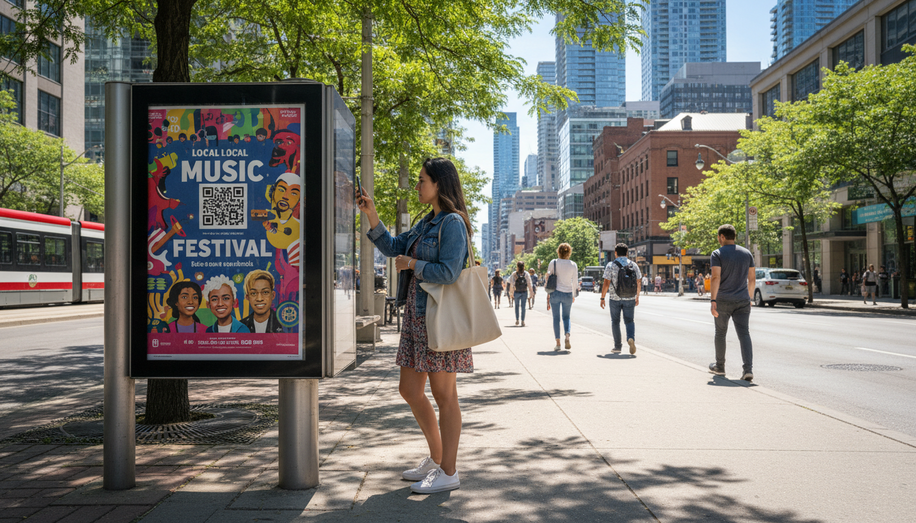

In the bustling streets of modern cities, where pedestrians and drivers alike navigate a sea of stimuli, out-of-home (OOH) advertising stands as a timeless sentinel, capturing attention amid the chaos. Traditional formats—static billboards, posters, and transit wraps—have long dominated this space, offering unwavering visibility and broad reach through printed visuals that endure rain or shine. Yet, as consumer behaviors shift toward digital seamlessness, a quiet revolution is underway: the fusion of digital innovation with these classic structures, breathing new life into OOH and forging deeper connections with audiences on the move.
This merger doesn’t supplant tradition but elevates it. Digital out-of-home (DOOH) integrates vibrant LED screens, dynamic content, and real-time adaptability into familiar formats like billboards and bus shelters, transforming passive glances into active engagements. Consider digital billboards, the most evident evolution: unlike their static predecessors, which lock in a single message for weeks or months, these displays cycle through multiple creatives in seconds, powered by scheduling software or programmatic algorithms. Advertisers can tailor content to the time of day—promoting coffee in the morning rush and nightlife later—while responding to weather, traffic, or social trends, ensuring relevance that static ads simply can’t match. This flexibility not only boosts recall rates but slashes costs by eliminating physical print runs and installations, allowing remote updates and shared screen time among multiple brands.
The true power lies in interactivity, a bridge between the physical world and digital ecosystems. QR codes and NFC tags affixed to traditional signage now invite passersby to scan for instant access to websites, social media, or exclusive offers, seamlessly blending OOH’s mass exposure with online precision. At bus stops or transit hubs, touchscreens and gesture recognition turn ads into games, polls, or product demos, fostering two-way dialogue that static posters could only dream of. Augmented reality (AR) takes this further: a simple smartphone scan overlays virtual elements onto a billboard, letting users “try on” clothes or explore a car in 3D, creating immersive experiences that linger long after the commute ends. These tools capitalize on consumers’ mobile habits, measuring engagement through scans, app downloads, or foot traffic data—debunking the old myth that OOH can’t be tracked.
Programmatic DOOH amplifies this integration, using AI-driven platforms to auction ad slots in real time based on audience demographics, location, and context. A screen near a stadium might push event tickets during game day, while one in a rainy downtown displays umbrella promotions—all automated for hyper-targeting that rivals online ads. Blended campaigns exemplify the synergy: consistent visuals across static billboards and digital feeds reinforce branding, while mobile retargeting follows viewers home, creating a multi-touchpoint loop that drives action. Brands report heightened engagement, with dynamic content outperforming static by capturing fleeting attention in our information-saturated world.
Yet challenges persist. High upfront costs for digital infrastructure can deter smaller advertisers, and over-reliance on tech risks alienating low-tech audiences. Privacy concerns around data-driven targeting also loom, demanding ethical safeguards as cameras and sensors analyze crowds. Still, successes abound. Urban LED video walls, managed centrally via software, deliver synchronized spectacles that draw crowds, while projection mapping on building facades merges art and commerce in nighttime displays. In retail corridors, digital signage updates promotions instantly, syncing with e-commerce for omnichannel harmony.
Looking ahead, AI and the Internet of Things (IoT) promise even smarter fusions. Screens could soon gauge crowd moods via sentiment analysis, adapting messages on the fly, or integrate with wearables for personalized nudges. Programmatic evolution, or pDOOH, will refine this further, optimizing budgets across hybrid networks. As OOH evolves, it retains its core strength—unskippable presence—while embracing digital’s agility, proving that innovation doesn’t erase tradition but reimagines it for a connected era.
This hybrid model isn’t a fad; it’s the future of OOH, where billboards become conversation starters, posters spark viral moments, and every glance holds potential for connection. Advertisers who master this blend will not just reach consumers—they’ll resonate, turning urban thoroughfares into canvases of compelling storytelling.