
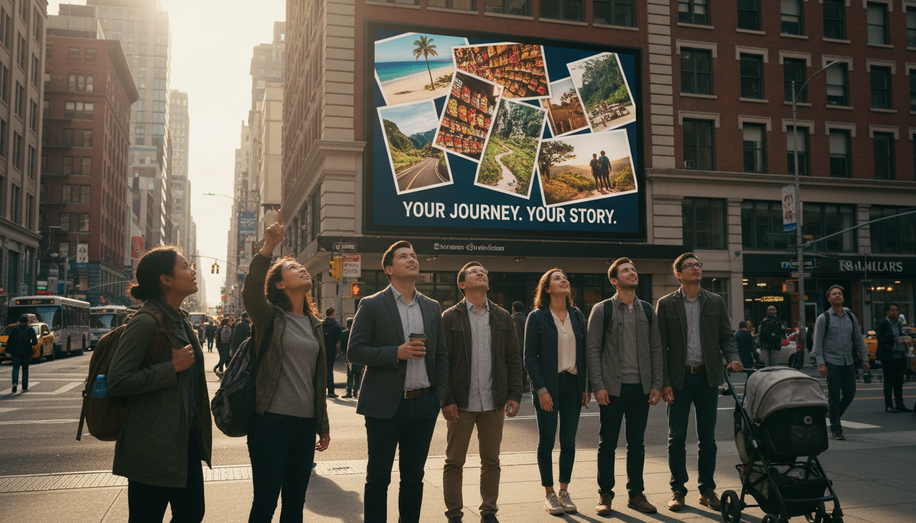

In the hyper-connected era of advertising, where consumers crave authenticity over polished pitches, out-of-home (OOH) campaigns are evolving to harness the raw power of user-generated content (UGC). Brands are transforming static billboards and digital displays into dynamic showcases of real customer stories, fostering genuine connections that static ads simply can’t match. By inviting everyday adventurers to contribute photos, videos, and testimonials, marketers are injecting credibility and relatability into massive public spaces, turning passersby into participants and amplifying reach through social sharing.
The appeal of UGC in OOH lies in its unfiltered honesty. Unlike brand-curated visuals, customer-submitted content captures spontaneous moments—hikers conquering peaks with North Face gear or unboxing GoPro cameras amid epic feats—lending campaigns an air of social proof that resonates deeply. Outdoor brands like REI have mastered this with their #OptOutside initiative, where Black Friday ads urged shoppers to ditch stores for trails, spotlighting user-shared adventures on social feeds that spilled into OOH displays. This not only boosted engagement but solidified REI’s ethos as a steward of genuine outdoor passion, proving UGC elevates OOH from interruption to inspiration.
Digital out-of-home (DOOH) technology supercharges this integration, enabling real-time dynamism that static OOH can’t rival. National Geographic’s #SaveTogether campaign exemplified this fusion: pedestrians snapped selfies with endangered animal projections on Times Square billboards, posting them with a hashtag for potential feature on the very screens they stood before. Selected images rotated across the displays, creating a live feedback loop that drew crowds and generated buzz. Similarly, their #WanderlustContest invited nature shots for a Yosemite prize, with winning UGC potentially beaming onto urban DOOH screens to bridge wilderness with city streets. These tactics leverage programmatic capabilities—weather triggers, geotargeting, and audience analytics—to serve hyper-relevant UGC, ensuring ads feel timely and personal.
For brands eyeing UGC-OOH strategies, the playbook starts with curation and contests. Encourage submissions via branded hashtags on Instagram or TikTok, where users tag products in action—think tents pitched in remote wilds or trail runs in branded apparel. Run challenges like The North Face’s user photo features, which populate websites and socials before scaling to OOH. Prizes such as gear or experiences fuel participation, while AI-driven tools analyze demographics from digital screens to tailor rotating UGC feeds, as Acadia GMC did with facial recognition swapping 30 ad variants based on viewer age and gender. Weather-responsive DOOH adds magic: imagine a rain-soaked billboard flashing user clips of waterproof jackets in puddles, much like Rain-X’s timed activations or eBay’s sunny gardening promos.
Execution demands careful logistics to maintain quality and rights. Brands must secure permissions through clear contest terms, editing submissions for brand alignment without stripping authenticity—perhaps overlaying user videos with subtle calls-to-action like “Share your story at #BrandAdventure.” Placement matters: high-traffic hubs like bus shelters or Times Square maximize exposure, while interactivity via QR codes invites on-site submissions, blurring OOH with mobile UGC streams. GoPro’s model shines here, routinely repurposing customer action footage across billboards and socials, making users co-creators and turning ads into viral heroes’ montages.
Challenges persist, from content moderation to scalability, but rewards outweigh them. UGC-OOH campaigns see higher dwell times and shares, as real stories spark FOMO and trust—consumers trust peers 12 times more than brands, per industry benchmarks. Integrating into omnichannel efforts amplifies this: feature contest winners on product pages, emails, and DOOH loops, creating a virtuous cycle of community and conversion. Nike’s 3D Air Max billboards in Tokyo, while not purely UGC, hint at hybrids where user sneaker customizations could animate reveals, blending creativity with crowdsourced flair.
As DOOH networks expand with 5G and AI, the creative frontier widens. Pop-up installations or AR overlays could let users scan billboards to “insert” their UGC into virtual scenes, gamifying public spaces like the Netherlands’ PLUS Monopoly takeover. For outdoor retailers, this means billboards alive with customer campfires or summit selfies, dynamically updating to reflect live submissions. The result? Campaigns that don’t just advertise—they activate, building loyal tribes who evangelize organically.
Ultimately, UGC infuses OOH with the authenticity consumers demand, turning billboards into communal canvases. Brands like REI, GoPro, and National Geographic lead by example, proving that in a skeptical world, nothing sells like the unscripted thrill of real lives. As 2026 unfolds, expect more innovators to follow, redefining OOH as a mirror of the audience it serves.